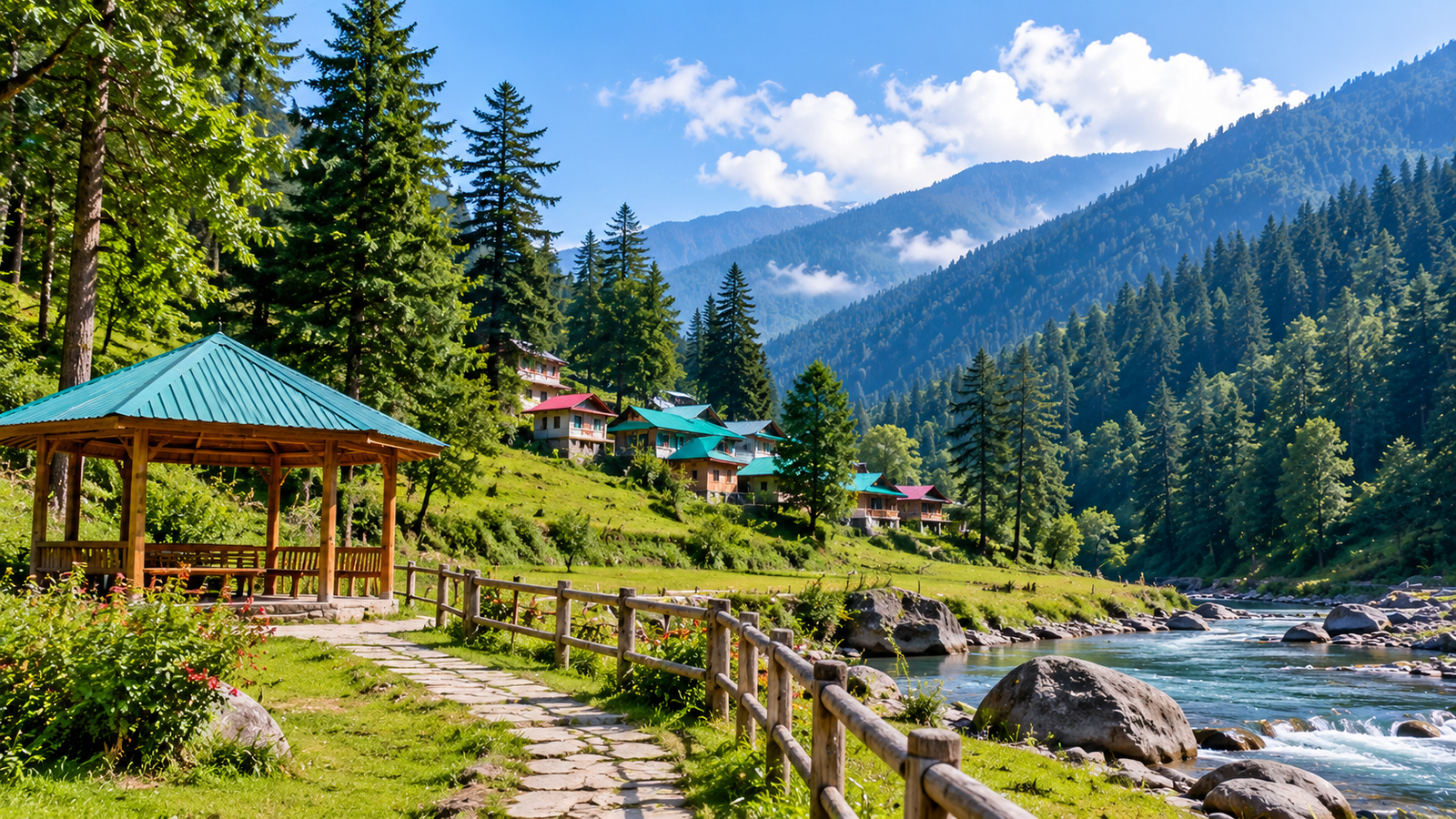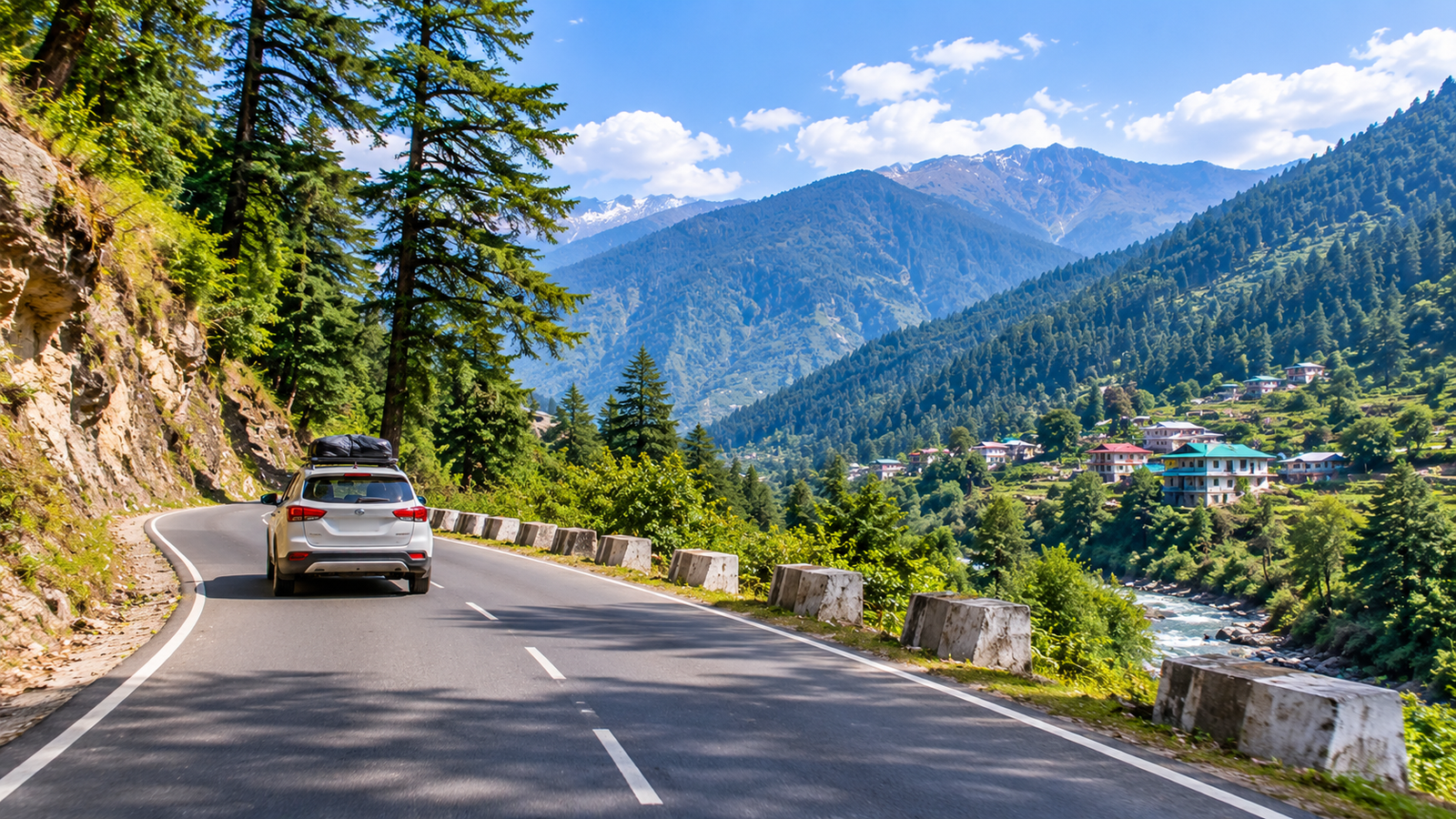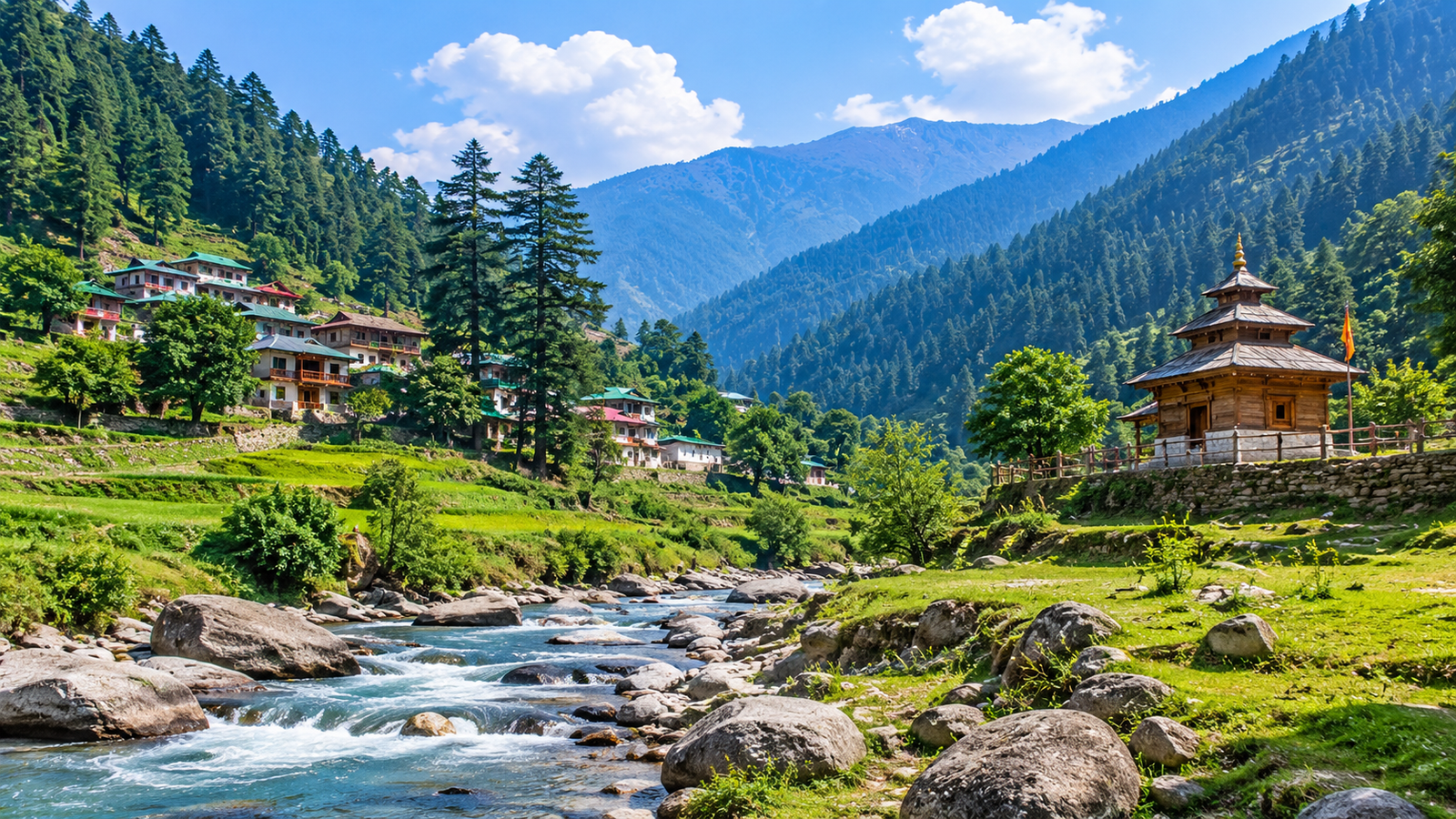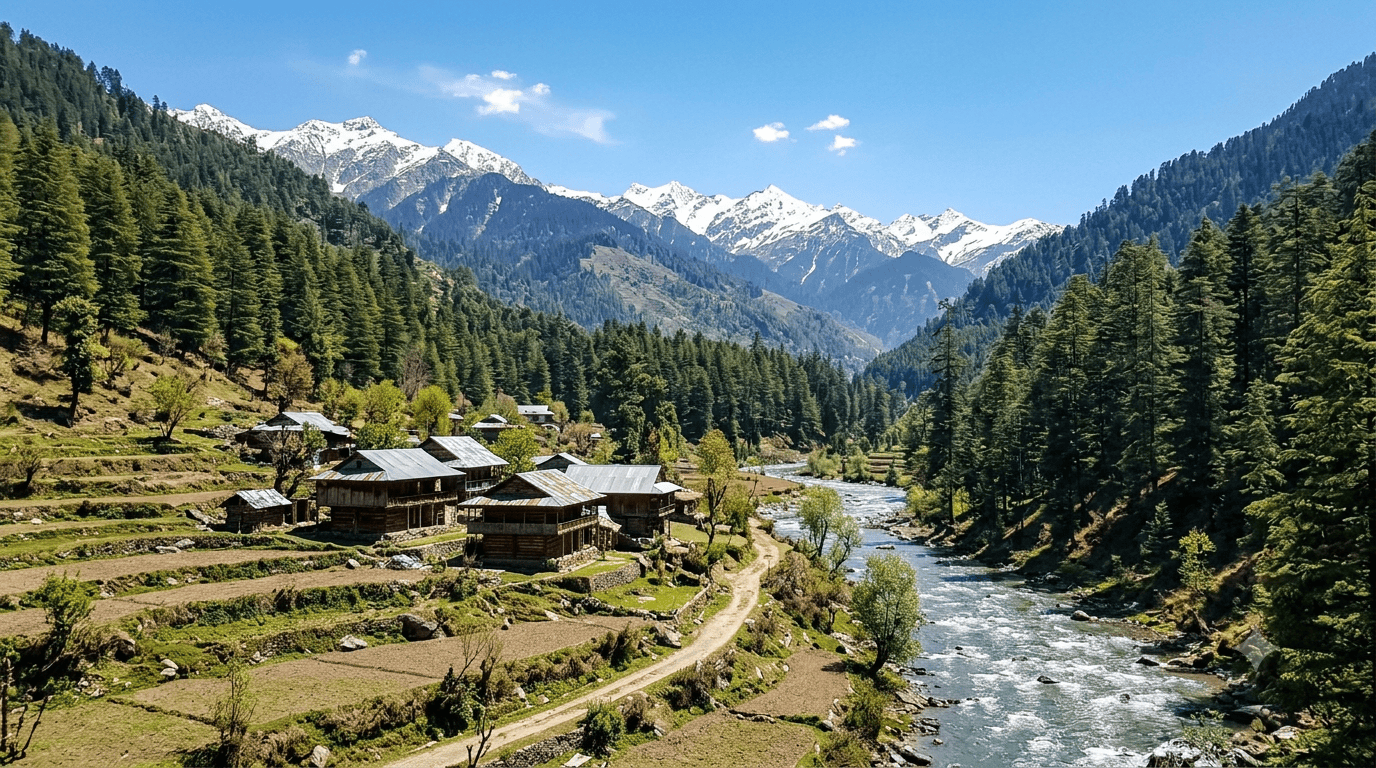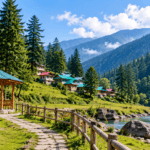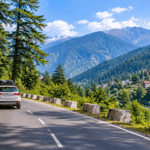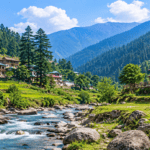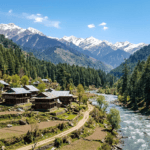
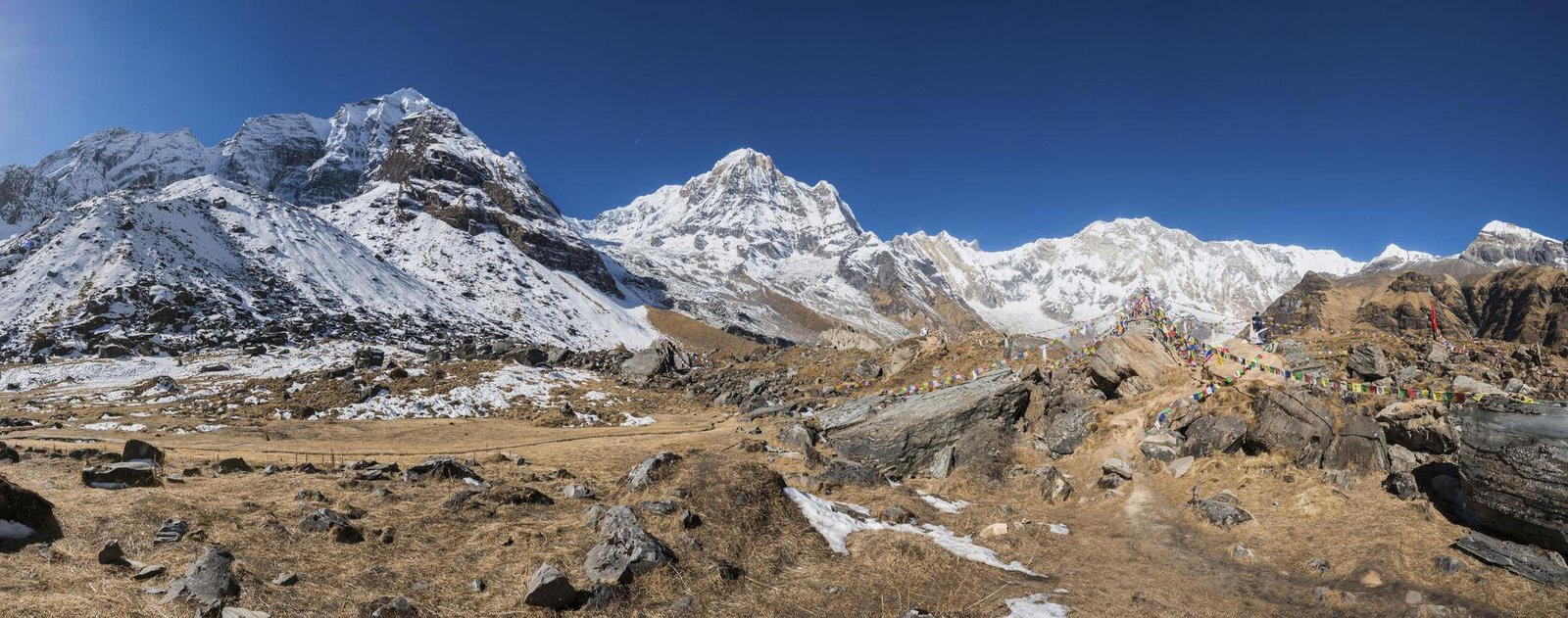
The Annapurna Base Camp Trek is one of the most memorable trekking experiences in Nepal. Surrounded by towering Himalayan peaks, traditional mountain villages, forests and beautiful river valleys, this journey takes trekkers into the heart of the Annapurna Sanctuary.
Located in the Annapurna region of north-central Nepal, Annapurna Base Camp sits at approximately 4,130 metres above sea level. From here, trekkers can enjoy spectacular views of Annapurna I, Annapurna South, Hiunchuli and Machhapuchhre, also known as Fishtail Mountain.
The trek is popular among adventure enthusiasts because it combines mountain scenery, local culture and teahouse accommodation. However, it requires proper preparation, physical fitness and awareness of high-altitude conditions.
Whether you are planning your first Himalayan trek or looking for another mountain adventure, this guide covers the Annapurna Base Camp Trek route, distance, itinerary, estimated cost, permits, best time to visit and important safety tips.
Annapurna Base Camp Trek: Quick Overview
| Trek detail | Information |
|---|---|
| Destination | Annapurna Base Camp, Nepal |
| Region | Annapurna Conservation Area |
| Starting city | Pokhara |
| Base Camp altitude | Approximately 4,130 metres |
| Trek duration | Commonly 7–12 trekking days, depending on route |
| Difficulty | Moderate to challenging |
| Accommodation | Teahouses and mountain lodges |
| Main attraction | Annapurna mountain sanctuary |
| Best seasons | Spring and autumn |
| Guide requirements | Confirm current Nepal regulations before departure |
The exact walking distance and duration depend on the roadhead, route, side trips and return point selected. A Poon Hill extension adds extra walking days compared with a direct Annapurna Base Camp itinerary.
Where Is Annapurna Base Camp Located?
Annapurna Base Camp is situated inside the Annapurna Sanctuary in Nepal’s Gandaki Province. The destination lies within the Annapurna Conservation Area, a protected region known for its mountain landscapes, forests, wildlife and traditional settlements.
Pokhara is the main gateway for the trek. From Pokhara, travellers generally use road transport to reach a starting point such as Nayapul, Siwai or another route-specific trailhead.
The trail gradually moves through villages, terraced fields, forests and river valleys before reaching the higher mountain landscape of the sanctuary.
Why Is the Annapurna Base Camp Trek Famous?
The trek is popular because it offers a close-up experience of the Himalayas without requiring technical mountaineering skills under normal trekking conditions.
Some of its main highlights include:
- Panoramic views of the Annapurna mountain range
- The dramatic landscape around Machhapuchhre
- Traditional Gurung and Magar villages
- Rhododendron and forest trails
- Mountain rivers, waterfalls and suspension bridges
- Teahouse stays and local Nepali food
- Sunrise and sunset views from the Annapurna Sanctuary
The combination of natural scenery and local culture makes this trek different from a simple mountain viewpoint visit.
Annapurna Base Camp Trek Route
Most Annapurna Base Camp itineraries begin with a road journey from Pokhara to a trailhead in the Annapurna region. The walking route then passes through villages and forested valleys before reaching the sanctuary.
A commonly used route includes:
- Pokhara to Nayapul or another selected roadhead
- Trek towards Ghandruk or a nearby village
- Continue towards Chhomrong
- Trek through Sinuwa and Bamboo
- Continue towards Dovan and Deurali
- Reach Machhapuchhre Base Camp
- Continue to Annapurna Base Camp
- Return through the valley using the planned exit route
The route can vary depending on road conditions, available transport, accommodation and the trek operator’s itinerary.
Optional Poon Hill Extension
Some trekkers include Ghorepani and Poon Hill before continuing towards Annapurna Base Camp.
Poon Hill is famous for its panoramic sunrise views of the surrounding Himalayan peaks. However, it is an optional extension rather than a compulsory part of every Annapurna Base Camp trek.
If you include it, allow additional time and plan the route accordingly.
Annapurna Base Camp Trek Itinerary
The following is an illustrative itinerary. Actual walking hours, overnight stops and road transfers may change according to the chosen trailhead, weather and group fitness.
Day 1: Arrive in Pokhara
Reach Pokhara, complete your accommodation arrangements and prepare for the trek.
Use the day to check your trekking equipment, meet your guide if arranged and confirm transport and permit requirements.
Day 2: Pokhara to Ghandruk or a Nearby Trailhead
Travel by road to the selected starting point and begin trekking towards Ghandruk or another overnight village on your route.
Enjoy the mountain scenery, terraced fields and traditional settlements along the way.
Day 3: Trek Towards Chhomrong
Continue through forested trails and mountain villages. Chhomrong is an important settlement on the route and offers views of the surrounding Himalayan landscape.
Day 4: Chhomrong to Bamboo or Sinuwa
Follow the trail through the valley, crossing bridges and walking through forested sections.
The route includes several uphill and downhill sections, so maintain a comfortable pace.
Day 5: Bamboo to Deurali
Continue towards Dovan and Deurali through a changing landscape.
As the elevation increases, temperatures may drop and weather conditions can change quickly.
Day 6: Deurali to Machhapuchhre Base Camp
Trek towards Machhapuchhre Base Camp, also known as MBC.
The mountain scenery becomes increasingly dramatic as you approach the Annapurna Sanctuary.
Day 7: Machhapuchhre Base Camp to Annapurna Base Camp
Continue to Annapurna Base Camp at approximately 4,130 metres.
Take time to enjoy the surrounding mountain views, but remain aware of the effects of altitude and changing weather.
Day 8: Return Towards Bamboo or a Lower Village
Begin the descent along the planned route.
Descending to a lower elevation is important after spending time at Base Camp.
Day 9: Continue Towards Jhinu Danda or the Selected Exit Point
Continue downhill through the valley. Some itineraries include Jhinu Danda, which is known for its natural hot springs.
Check current access and local arrangements before planning a visit.
Day 10: Return to Pokhara
Travel from the selected roadhead back to Pokhara.
This itinerary is an example, not a fixed schedule. A shorter or longer itinerary may be suitable depending on your route, fitness and acclimatisation needs.
Annapurna Base Camp Trek Distance and Difficulty
The total walking distance varies between itineraries. The starting point, return route and optional Poon Hill extension all affect the final distance.
Instead of relying on one fixed distance figure, check the daily walking distance and elevation gain in the itinerary provided by your trekking agency.
How Difficult Is the Trek?
The Annapurna Base Camp Trek is commonly considered moderate to challenging.
It does not normally involve technical climbing, but trekkers should be prepared for:
- Long walking days
- Repeated uphill and downhill sections
- Stone steps and uneven trails
- High-altitude conditions
- Cold temperatures at higher elevations
- Changing weather
- Limited facilities in remote sections
A reasonable level of fitness is important. Regular walking, stair climbing, hill training and cardiovascular exercise can help prepare your body.
Is It Suitable for Beginners?
Beginners with good fitness may be able to complete the trek with appropriate preparation and a well-planned itinerary. However, it should not be treated as an easy sightseeing walk.
First-time high-altitude trekkers should consider a slower itinerary, appropriate acclimatisation and guidance from an experienced trekking professional.
If you are interested in Himalayan trekking in India as well, you can explore our guide to the Great Himalayan National Park in Himachal Pradesh, which covers its trekking routes and natural surroundings.
Annapurna Base Camp Trek Cost
The total cost depends on your nationality, travel arrangements, group size, trek duration, guide and porter services, accommodation and meals.
For a realistic budget, separate the expenses into the following categories:
| Expense | What to consider |
|---|---|
| Travel to Nepal | Flights or other international transport |
| Transport in Nepal | Travel to Pokhara and the trek starting point |
| Accommodation | Hotels in Pokhara and teahouses on the trail |
| Food and drinks | Meals, snacks and drinking water |
| Permits | Applicable conservation area and trekking documents |
| Guide and porter | Service charges, meals, accommodation and tips |
| Equipment | Boots, clothing, sleeping bag and other essentials |
| Insurance | High-altitude trekking and emergency evacuation cover |
Estimated Budget for Indian Travellers
There is no single reliable price for every Indian traveller. A budget based on an independent arrangement will differ from a guided group package or a private trek.
Before booking, request a written quotation that clearly states:
- What transport is included
- Whether a licensed guide is included
- Whether porter services are included
- Whether permits and documentation are included
- Whether meals and teahouse accommodation are covered
- Whether emergency evacuation and insurance are excluded
- Whether tips and personal expenses are extra
Compare complete package inclusions rather than choosing a trek only because its advertised price is low.
Permits and Documents for Annapurna Base Camp Trek
The Annapurna Base Camp route passes through the Annapurna Conservation Area. Trekkers must arrange the applicable entry permit and comply with the trekking rules in force at the time of travel.
The Annapurna Conservation Area Permit (ACAP) is an important document for this trek.
Guide and TIMS requirements have changed over time and can depend on current Nepal Tourism Board and conservation-area regulations. Foreign trekkers should confirm the current requirements with the Nepal Tourism Board, the permit authority or a registered trekking agency before departure.
For Indian travellers, permit fees and documentation may differ from those for other foreign nationals. Confirm the applicable category and current charges before making payment.
Keep the following documents ready:
- Valid passport or accepted travel identification
- Required photographs and personal details
- Applicable trekking permits
- Trekking agency and guide information, where required
- Travel insurance documents
Do not rely on an old blog post for current permit fees or rules.
Best Time to Visit Annapurna Base Camp
Spring and autumn are generally considered the most popular seasons for the Annapurna Base Camp Trek.
Spring: March to May
Spring brings colourful rhododendron forests and relatively pleasant daytime conditions in many lower sections.
The mountain scenery is beautiful, although weather can still change at higher elevations.
Autumn: September to November
Autumn is a popular trekking season because the monsoon rains have generally reduced and mountain visibility can be good.
October and November are particularly popular, so accommodation and trekking arrangements should be planned in advance.
Monsoon: June to August
Monsoon brings heavy rainfall to many parts of Nepal.
Trails may become slippery, rivers can rise and landslides may affect road journeys. This season requires extra caution and close monitoring of weather conditions.
Winter: December to February
Winter can bring cold temperatures and snowfall at higher elevations.
Some sections may become difficult or unsafe depending on snow and avalanche conditions. Check local advice and trail conditions before attempting the trek.
Accommodation and Food on the Annapurna Base Camp Trek
Teahouses and mountain lodges are the usual accommodation options along the route.
Facilities vary by village and altitude. Lower settlements may offer more choices, while higher sections generally have simpler accommodation and fewer services.
Common facilities may include:
- Basic rooms with beds and blankets
- Shared bathrooms
- Dining areas
- Hot meals
- Drinking water for purchase or treatment
- Charging facilities, sometimes for an additional fee
Food options often include traditional Nepali meals such as dal bhat, noodles, soups, rice, vegetables and other simple dishes.
Carry some personal snacks and check food availability at each overnight stop, especially during busy seasons or adverse weather.
Packing List for Annapurna Base Camp Trek
Packing correctly is essential for comfort and safety during the trek.
Clothing
- Moisture-wicking base layers
- Fleece or insulating mid-layer
- Warm down or insulated jacket
- Waterproof and windproof outer jacket
- Trekking trousers
- Thermal clothing
- Warm gloves and socks
- Woollen cap and sun hat
Trekking Equipment
- Comfortable, broken-in trekking boots
- Trekking poles
- Backpack and rain cover
- Headlamp
- Reusable water bottle
- Sleeping bag, if required by your accommodation arrangements
- Power bank
Personal Essentials
- Sunscreen
- Sunglasses
- Personal medicines
- Basic first-aid supplies
- Water purification method
- Personal hygiene products
- Copies of important documents
Pack according to the season and your operator’s equipment list. Avoid carrying unnecessary weight.
Altitude Sickness and Safety Tips
Annapurna Base Camp is located at approximately 4,130 metres. Altitude sickness is a serious risk, even for people who are physically fit.
Common symptoms of acute mountain sickness can include headache, nausea, dizziness, tiredness and loss of appetite.
Important Safety Measures
- Follow a gradual itinerary and allow enough time for acclimatisation.
- Walk slowly and avoid rushing uphill.
- Stay hydrated and eat regular meals.
- Do not ignore symptoms of altitude sickness.
- Inform your guide if you feel unwell.
- Do not continue ascending when symptoms suggest altitude sickness.
- Descend if symptoms worsen and seek medical help.
- Check weather and trail conditions before entering exposed or avalanche-prone sections.
- Carry suitable travel insurance that explicitly covers high-altitude trekking and emergency helicopter evacuation.
- Follow the advice of local guides and authorities.
Severe altitude symptoms require urgent medical attention and descent. Do not attempt to manage a serious emergency by continuing the trek.
How to Reach Annapurna Base Camp
By Air
Pokhara is the main gateway for the trek. Travellers can reach Pokhara by domestic flight from Kathmandu, subject to flight schedules and weather conditions.
International visitors generally arrive in Nepal through Kathmandu before continuing to Pokhara.
By Road
Pokhara is connected to Kathmandu and other parts of Nepal by road. Tourist buses, private vehicles and other transport options are available.
Road journeys can take longer than expected because of traffic, road conditions and weather.
From Pokhara to the Trek Starting Point
From Pokhara, trekkers travel by road to the selected trailhead, which may be Nayapul, Siwai or another point depending on the itinerary.
Confirm the exact starting and ending points with your trekking agency before booking transport.
Responsible Trekking in the Annapurna Region
The Annapurna region is an important natural and cultural landscape. Responsible travel helps protect its environment and supports local communities.
Keep these practices in mind:
- Carry your waste back and use designated disposal facilities.
- Avoid single-use plastic wherever possible.
- Respect local traditions and religious customs.
- Ask permission before photographing residents.
- Stay on established trekking trails.
- Avoid disturbing wildlife.
- Use local services responsibly.
- Follow conservation-area rules and instructions from guides.
Annapurna Base Camp Trek vs Himalayan Treks in Himachal Pradesh
If you enjoy mountain trekking, you may also want to explore trekking destinations in Himachal Pradesh.
For a forest and lake experience, read our Serolsar Lake Trek guide.
For a much more demanding high-altitude adventure, our Bara Bhangal Trek guide covers a challenging route across the mountains of Himachal Pradesh.
These treks offer different experiences from Annapurna Base Camp, so compare their difficulty, altitude, duration and preparation requirements before choosing one.
Frequently Asked Questions
Q1. How high is Annapurna Base Camp?
Annapurna Base Camp is approximately 4,130 metres above sea level.
Q2. How many days are required for the Annapurna Base Camp Trek?
The duration depends on the route and starting point. Many itineraries take around 7–12 trekking days, with additional time needed for travel to and from Pokhara.
Q3. Is the Annapurna Base Camp Trek difficult?
It is generally considered moderate to challenging. The trek involves long walking days, steep sections and high-altitude conditions.
Q4. Can beginners do the Annapurna Base Camp Trek?
Beginners with good fitness may be able to complete it with proper preparation, a suitable itinerary and appropriate guidance. It is not recommended to underestimate the altitude or physical demands.
Q5. What is the best month for Annapurna Base Camp Trek?
March to May and September to November are popular trekking periods. Weather conditions can still vary, so check the forecast before departure.
Q6. Do Indian travellers need permits for Annapurna Base Camp?
Indian travellers must confirm the applicable Annapurna Conservation Area entry requirements and any other current trekking documentation. Fees and rules should be checked with the relevant Nepal authorities before travel.
Q7. Is a guide required for Annapurna Base Camp?
Guide requirements for foreign trekkers have changed under Nepal’s trekking regulations. Confirm the current rule with the Nepal Tourism Board or a registered trekking agency before departure.
Q8. Is Annapurna Base Camp safe for trekking?
The trek can be completed safely with suitable preparation, a well-planned itinerary and attention to weather and altitude. However, high-altitude conditions, snowfall and avalanche-prone sections can create serious risks.
Q9. Is there accommodation on the Annapurna Base Camp route?
Yes. Teahouses and mountain lodges operate along much of the route. Facilities become simpler at higher elevations.
Q10. Can Annapurna Base Camp be combined with Poon Hill?
Yes. Some itineraries combine Poon Hill with Annapurna Base Camp. This adds extra walking and should be included when planning the duration and difficulty of the trek.
Conclusion
The Annapurna Base Camp Trek offers an unforgettable journey into the Himalayan mountains of Nepal. From traditional villages and forest trails to the spectacular mountain amphitheatre at Base Camp, the route provides a rewarding combination of adventure and natural beauty.
However, reaching Annapurna Base Camp requires more than enthusiasm. Proper fitness, suitable equipment, current permits, a realistic budget and awareness of altitude-related risks are all essential.
Plan your itinerary carefully, confirm the latest trekking regulations and follow local safety advice. With thoughtful preparation, the Annapurna Base Camp Trek can become one of the most memorable mountain experiences of your life.