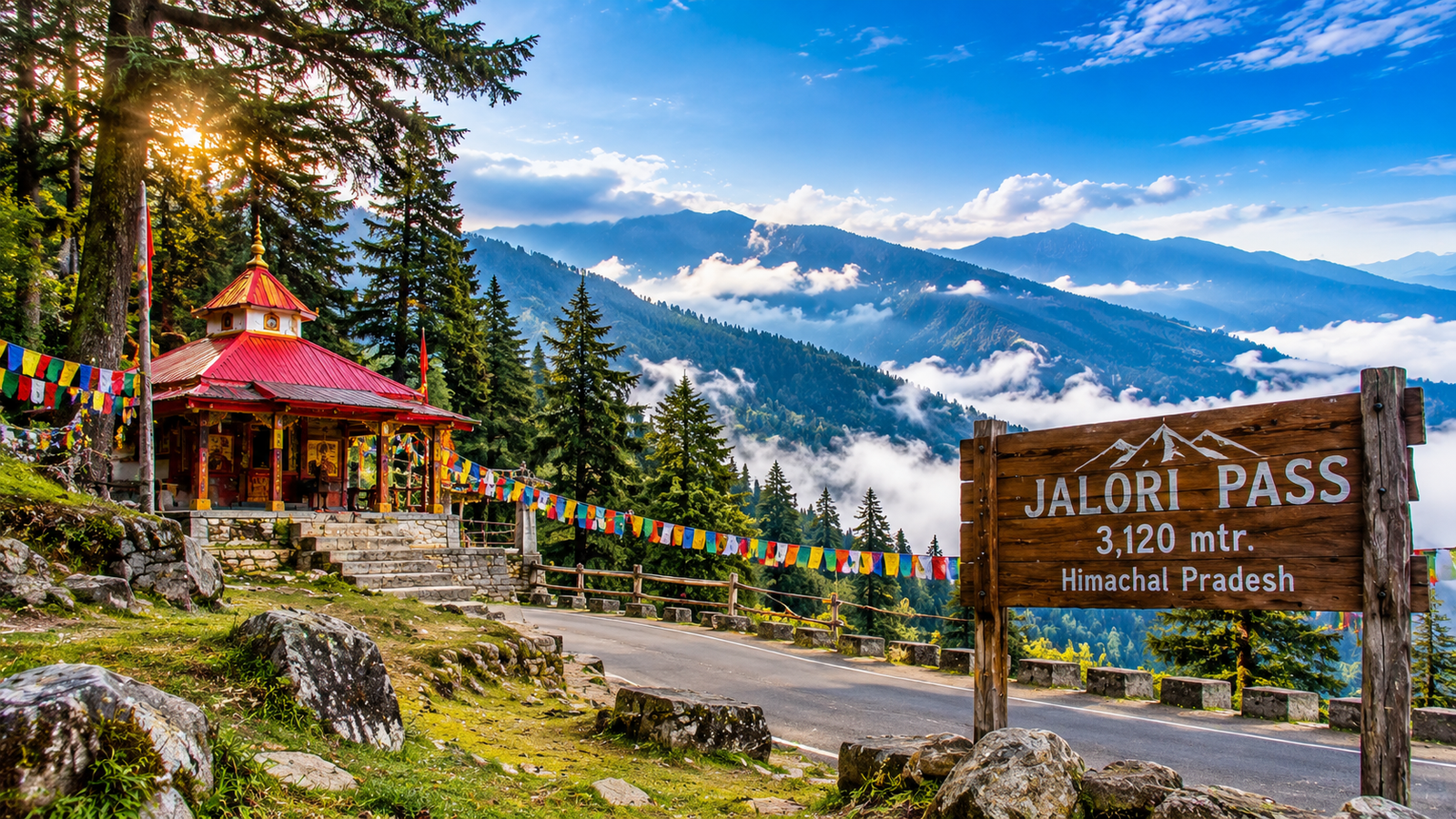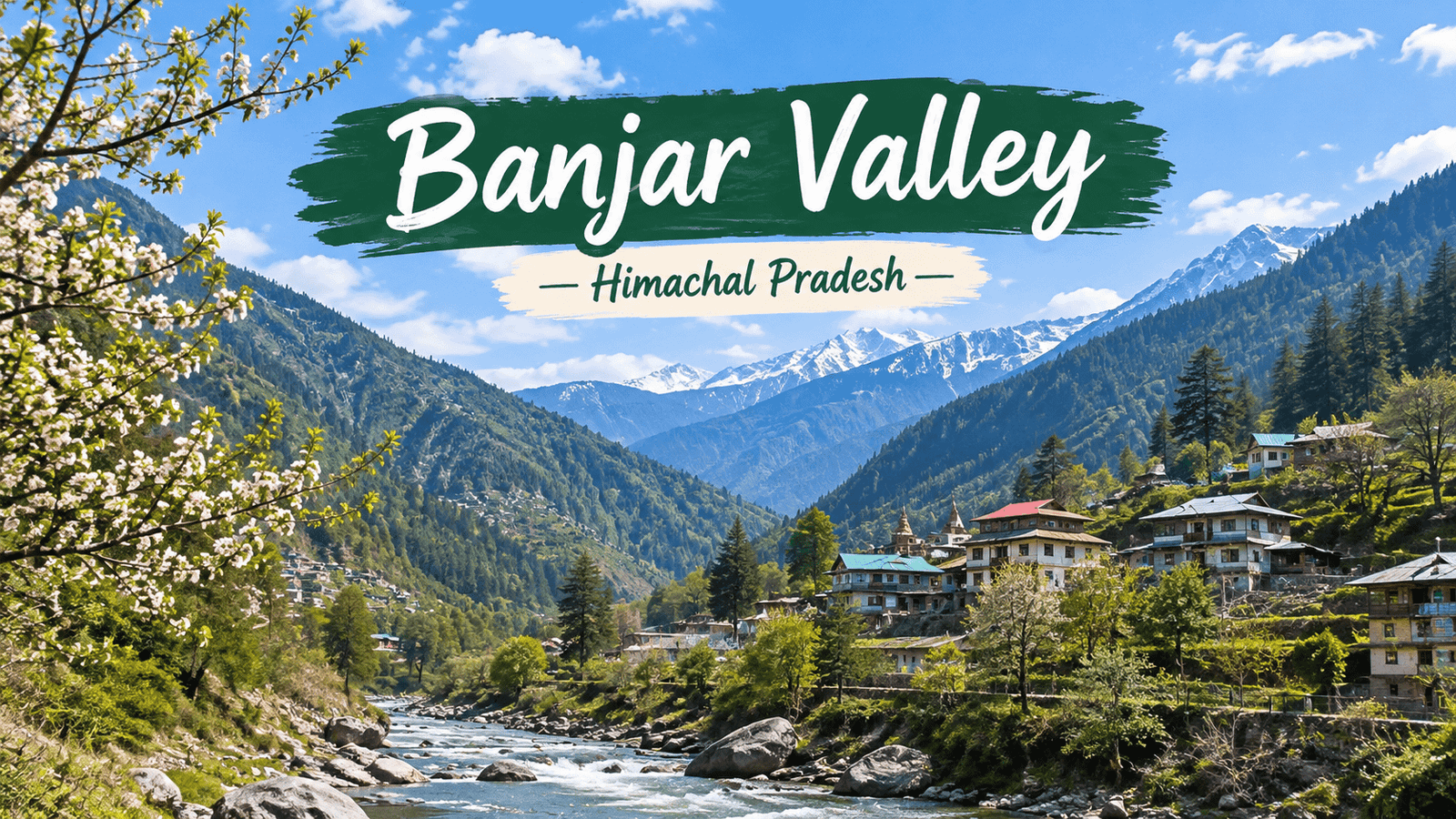
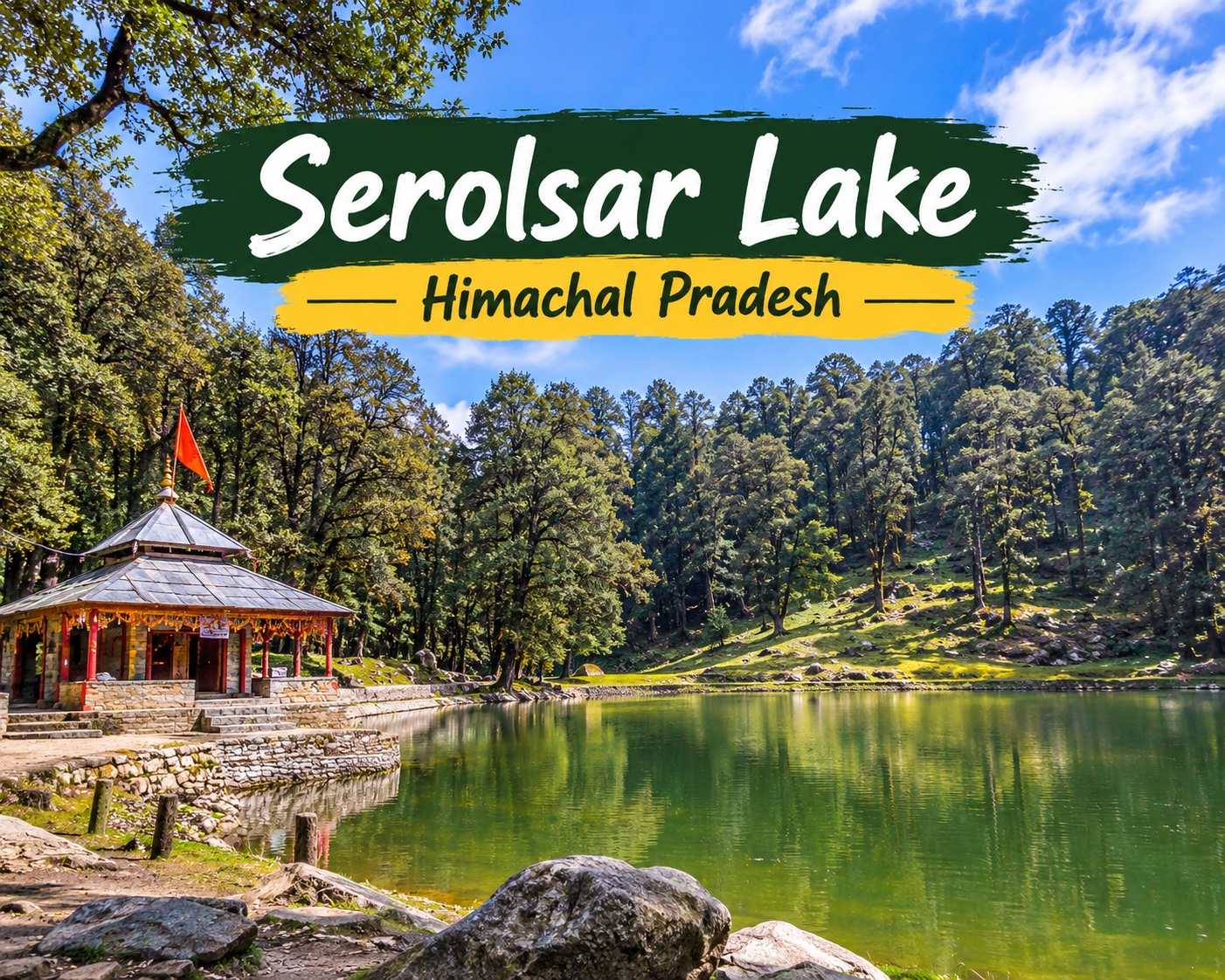
Jalori Pass in the Tirthan Valley offers not just a scenic view of forested mountains but a lake nestled perfectly in its arms. Kullu is a well-known hill station in Himachal Pradesh, but not many of us know how many gems it has hidden in its valley. Jalori Pass is one of them, and even better, Serolsar Lake. Travellers can reach Serolsar Lake after covering about 75 km from Kullu.
The lake sits amid tall pine trees, offering visitors immense peace and a whiff of fresh, chilly air. Away from the usual tourist crowds, the lake retains its peaceful and unspoiled surroundings. During winter, it is absolutely serene, covered in a thick white sheet of snow; all you would want is to enjoy the scenery and have a cup of tea.
If you are wondering if you can camp here, you absolutely can, but make sure to bring your gear with you, since the availability of camping gear here is minimal. However, Serolsar Lake is not just known for its scenic location, but it also has religious significance for the local people. According to local beliefs, Budhi Nagin, a respected local deity, watches over Serolsar Lake.
If you have planned your trip to Serolsar Lake, here is everything you need to know about the place before you set out.
Where is Serolsar located?
The trek to Serolsar Lake ranks among the popular hiking experiences in the Jibhi region. If you are wondering where Serolsar Lake is located, here is the answer: it is located in the outer Seraj region of Kullu district, Himachal Pradesh. To reach there, you need to cross the Jalori Pass and start your trek to this beautiful lake.
Dense oak forests surround Serolsar Lake, adding to its natural beauty and peaceful atmosphere. Its secluded setting keeps the usual tourist crowds away. Since the trek requires a moderate level of effort, it appeals to travellers who appreciate nature, quiet surroundings and a little adventure.
What makes Serolsar Lake special?
There are many lakes in Himachal, and in Kullu, but what makes Serolsar Lake so special? Its isolated location contributes to its uniqueness; you won’t find big commercial buildings around or big settlements. Just you, your camping site, the lake and immense peace in the middle of the mountains.
One of its striking features is the surrounding landscape of gigantic oak trees. Nature enthusiasts will find the place up to their level when the water of the lake reflects the greenery around.
There is also an interesting story associated with this; local people believe that birds pick up fallen leaves from the surface of the lake, keeping it clean. The tale continues to live on through the words and traditions of local people.
Serolsar Lake offers more than beautiful surroundings; it also holds a special place in local religious traditions, with a temple dedicated to Budhi Nagin nearby. For the people living there, the lake is a sacred place rather than simply a trekking destination.
Serolsar Lake trek: what to expect?
Serolsar Lake lies approximately 5 km from Jalori Pass, and visitors must complete the journey on foot. As you make your way through the oak woodland, you will come across a few scattered tea stalls along the trekking route. Although the trail passes through beautiful forest surroundings, the moderate trekking distance requires a reasonable level of stamina.
As the trail passes through the thick forest, it will make the walk considerably more comfortable during summer. At an altitude of 3,199 metres, Serolsar Lake often experiences chilly evenings, even during spring and early summer. Visitors who don’t like heavy winter or thick layers of snow can visit the lake during spring for pleasant weather.
Unlike steep mountain treks that require considerable climbing, the Serolsar trail is more about enjoying the long, forested walk. The location is so beautiful that you won’t be able to stop your phone from taking photos of every corner and every spot.
How to reach Serolsar Lake?
Reaching Serolsar Lake has two steps: first, reach Jalori Pass and then continue your journey on foot to the lake.
By road:
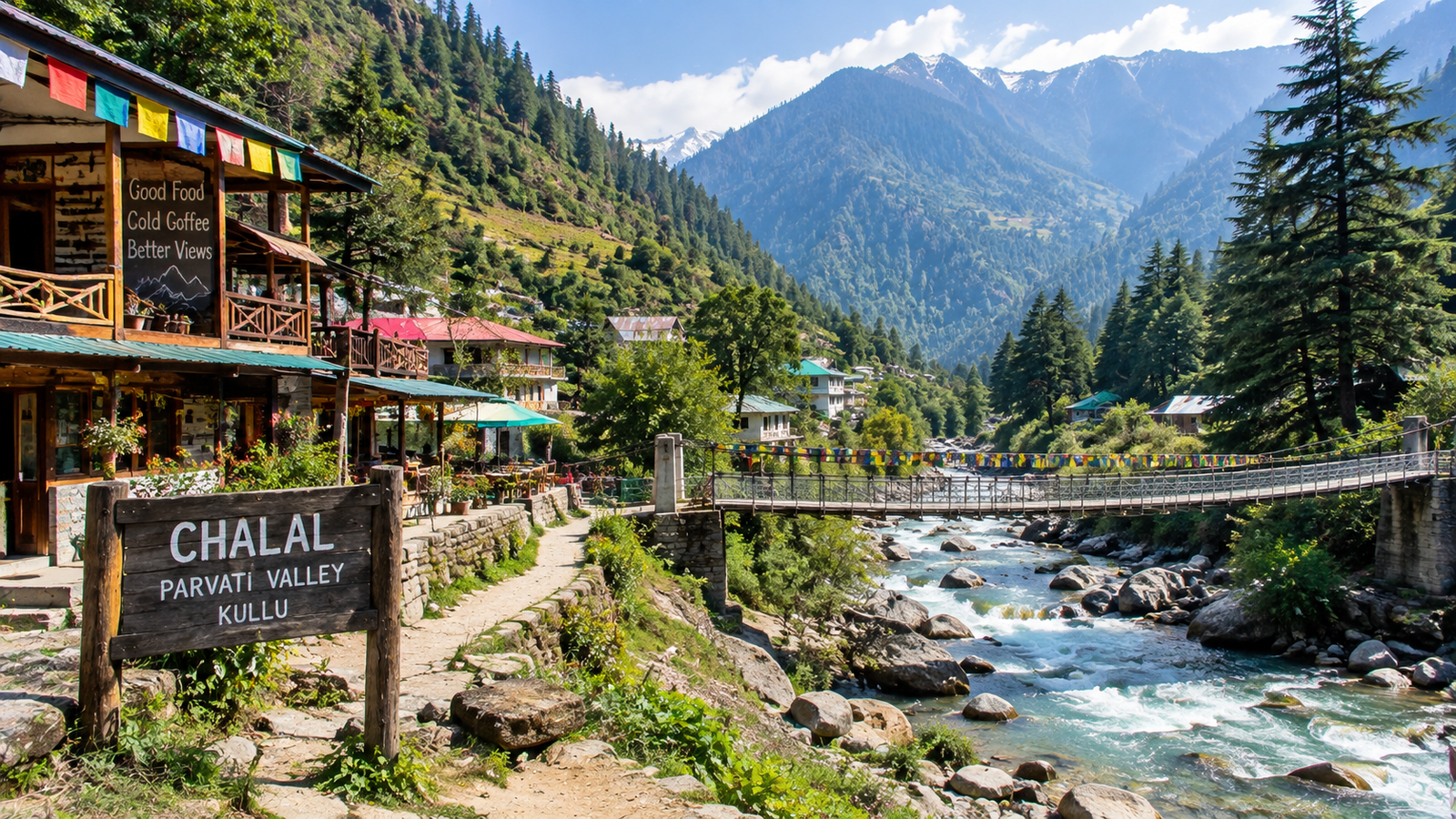
Your starting point for the Serolsar Lake trek is Jalori Pass, so first you need to reach it. for the travellers coming from Kullu, Banjar, Jibhi and other parts of the state can reach the pass by road. Jibhi, although, would be the most convenient stop for your stay since it is close to the pass and offers you many options in accommodation, eateries and cafes.
By Bus:
Travellers can easily reach Banjar by bus, as regular road connections link the town with other parts of the region. From Banjar, you can either go to Jibhi for your accommodation or rest, or you can directly go to the Jalori Pass to start your trek. Since public transport to Jalori Pass is not frequent, make sure you plan your visit around the available bus timings.
By Train:
The nearest broad-gauge railway station is in Chandigarh. So, after you reach Chandigarh, you need to take a taxi or bus to complete the rest of the journey to Banjar Valley or Jibhi. Since Chandigarh is far from the valley, it will take a considerable amount of time to reach there.
By air:
The nearest airport from the Serolsar Lake is Bhuntar Airport, near Kullu. From Bhuntar, you can hire a taxi to reach the trekking point. For travellers coming to this trek from another state, Bhuntar Airport would be a convenient airport since it’s also close to the Banjar town. Although flight availability can be limited, you should check schedules before finalising your travel plans.
The final walk to the lake
The walking distance to the lake from Jalori Pass is 5 km and there is no availability of motorable road, so the final journey you have to do to reach the lake is by foot. Much of the trek passes through dense oak woodland, allowing hikers to enjoy the surrounding nature along the way.
Since it is a 5 km walk with moderate difficulty, it is advisable to wear comfortable shoes and only take essentials so it won’t burden the bag on your shoulder. Even if you sweat from the day’s heat while trekking, still take a light warm jacket with you, since the evening could be chilly even in early spring.
Best time to visit Serolsar Lake:
Summer- May to June:
Summer is the most favourable weather to visit Serolsar Lake, and it has reasons of its own. The surroundings become greener, the visibility is clear, the weather becomes relatively pleasant, and the walking conditions are overall good. This weather are for those dislikes heavy snowy weather and chilly winds that can freeze your breath.
Monsoon- July and August:
The time when the mountains are covered in mist, giving the illusion that you are floating in clouds rather than standing on the ground. But even with the beauty of rain, it comes with difficulty too. Because of heavy rain, the trail can become slippery; there is a risk of landslides in the surrounding mountains, which can block the roads. Always be cautious on your trip of you have plan to trek during monsoon season.
Autumn- September to October:
After the rain has subsided, it leaves behind green mountains and pleasant weather, and you are just at the threshold of summer and winter. The weather during this time is neither too hot nor too cold, just perfect for a day itinerary. The temperature begins to fall, making the morning and evening, making it the perfect for the people who doesn’t like summer or heavy winters.
Winter- November to March:
During winter, snowfall often blankets the Jalori Pass region, covering Serolsar Lake and its surroundings in snow. Alongside the lake, the surroundings change from green to pristine white, creating a whole different landscape of the region. If you plan to visit Serolsar Lake in winter, check whether Jalori Pass remains accessible, as heavy snowfall can disrupt travel and trekking.
Things to keep in mind before visiting Serolsar Lake:
Here are a few things worth remembering before you plan and start your trip:
- Wear comfortable shoes with good grip because the trail is uneven and slightly steep. Your normal sandals and shoes can cause blisters and strain your calf while walking.
- Carry enough drinking water and a few snacks for the trek. Although small tea stalls operate along the trail, bringing your own food and water helps reduce plastic waste.
- Start your trek early to explore the lake at leisure and return before sunset.
- During monsoon and heavy winter, check the weather and road conditions before you set out. Landslides during heavy rain and heavy snow can block the road and cut connectivity for several days.
- Respect the religious significance of the place, and while visiting the temple of Budhi Nagin, keep a respectful stance.
- Avoid littering around the lake and walking path; the mountain ground is to be adorned with fallen leaves and grass, not with plastic and food wrappers.
- Do not enter the water and disturb the surroundings. The lake isn’t your swimming pool, so avoid entering it.
Conclusion:
Serolsar Lake isn’t your typical lake at a roadside where the journey ends even before starting. The lake asks for some physical exertion before reaching it. You have to walk through at least 5 km one way to get to the lake, and seriously, it’s all worthwhile. Especially when the surroundings are slightly covered in mist.
Serolsar Lake offers you a camping site where you can set up camp and stay a night in nature. The lake holds religious significance for the local people who believe Budhi Nagin stays deep under the water. For travellers exploring Jibhi, Banjar, and Jalori Pass, a visit to Serolsar Lake can be one of the most memorable parts of the journey.
FAQs:
Q1. How far is Serolsar Lake from Jalori Pass?
Serolsar Lake is 5 km away from the Jalori Pass. The path doesn’t have a motorable road, and you need to complete the journey to reach the lake on foot. It can take you 1.5 to 2 hours to complete one way.
Q2. Is the Serolsar lake suitable for beginners?
Travellers with reasonable fitness can easily complete the path on foot. The trek is considered moderate, so beginners can complete the trek. Make sure to wear good grip shoes so they won’t affect your calf muscles and protect you from blisters.
Q3. Which Goddess is associated with the Serolsar lake?
Serolsar Lake is associated with Budhi Nagin, a local revered goddess worshipped in the Seraj region. There is also a small temple beside the lake dedicated to her.
Q4. Can we reach Serolsar Lake by car?
No, you cannot. The final stretch to Serolsar Lake requires a trek, as vehicles cannot access the walking trail. The path is so narrow that even two people can’t walk side by side, let alone a car crossing.
Q5. How much time is required to visit Serolsar Lake?
It generally takes 4 to 5 hours for a round-trip trek, and then the time to explore the lake is separate. And travelling from your accommodation to Jalori Pass will take additional time, so in short, a full day is expected for your trip.