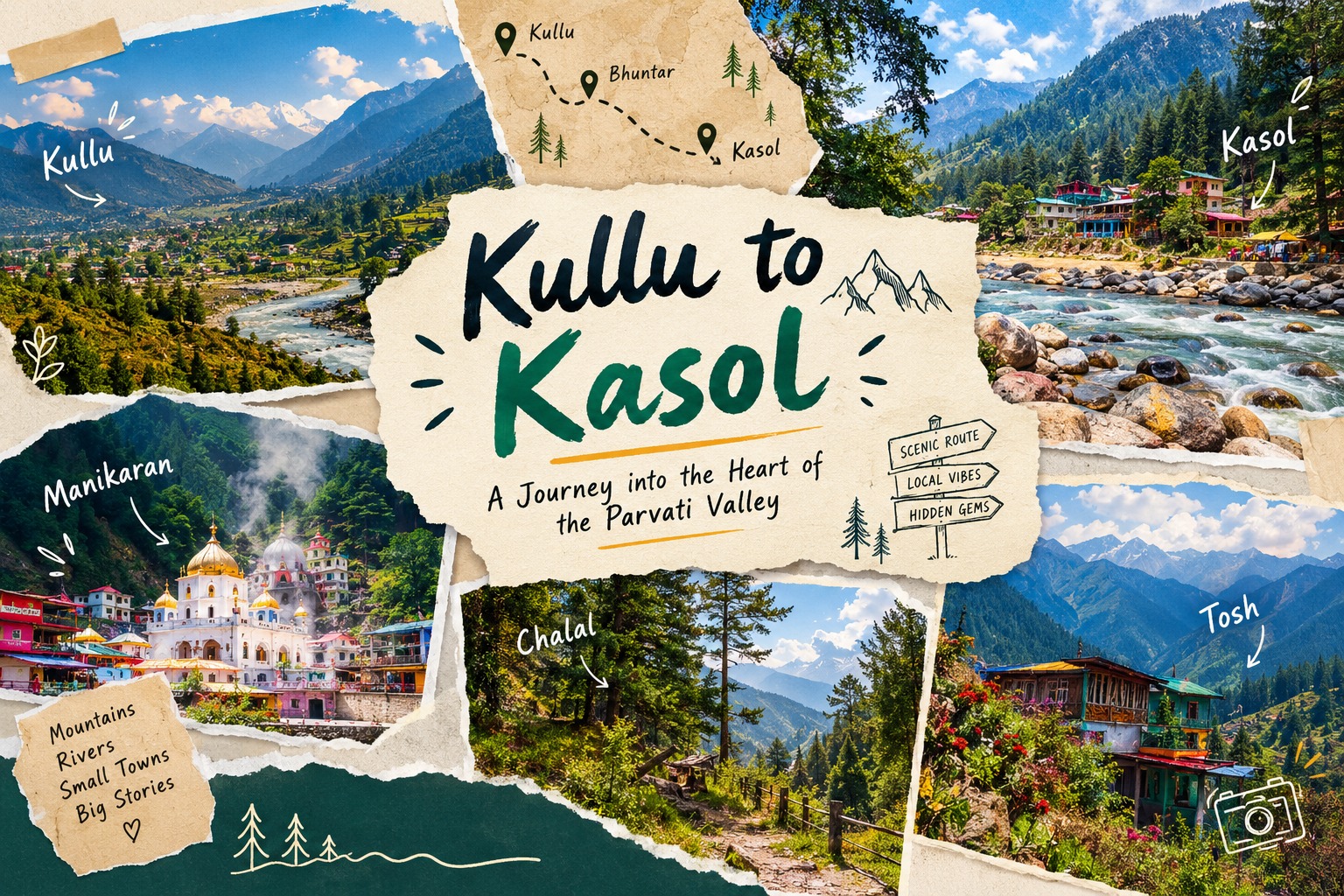
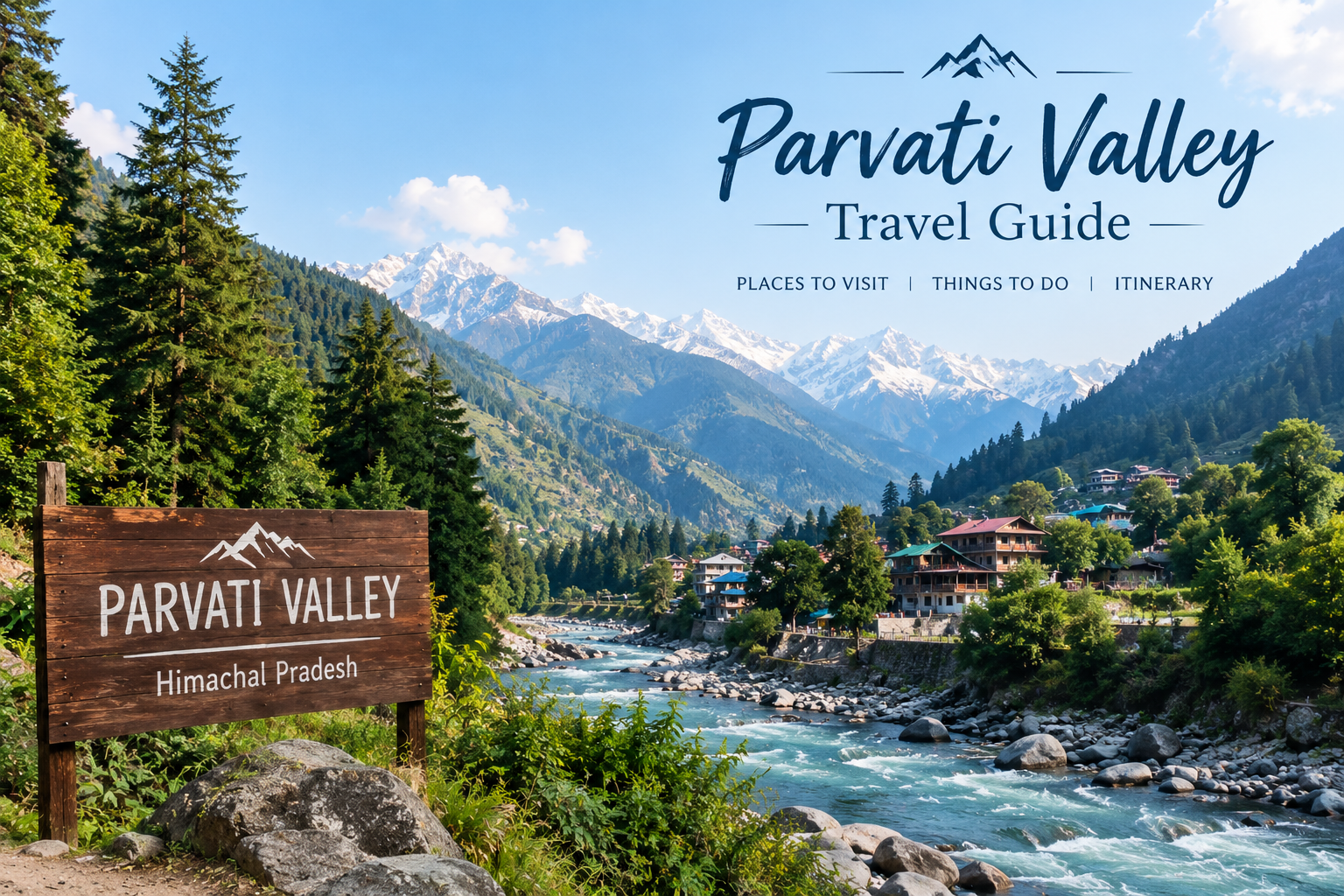
Parvati Valley is one of those places in Himachal Pradesh where the journey is as memorable as the destination. The road follows the Parvati River through steep mountain slopes, pine forests and small settlements before reaching Kasol, a village known for its cafés, riverside scenery and relaxed atmosphere. Continue further into the valley, and the landscape gradually leads to Manikaran, Barshaini and traditional mountain villages such as Tosh, Pulga and Kalga.
Located in Kullu district, Parvati Valley attracts travellers with different interests. Some come for a quiet break among the mountains, others visit its religious sites, and many use Kasol as a starting point for village walks and treks. However, the valley is more than a single tourist destination. Each settlement has its own character, and the experience changes depending on how far you travel and how much time you have.
If you are planning a trip, this guide covers the best places to visit in Parvati Valley, things to do, how to reach the region, the best time to travel and a practical itinerary.
Where Is Parvati Valley Located?
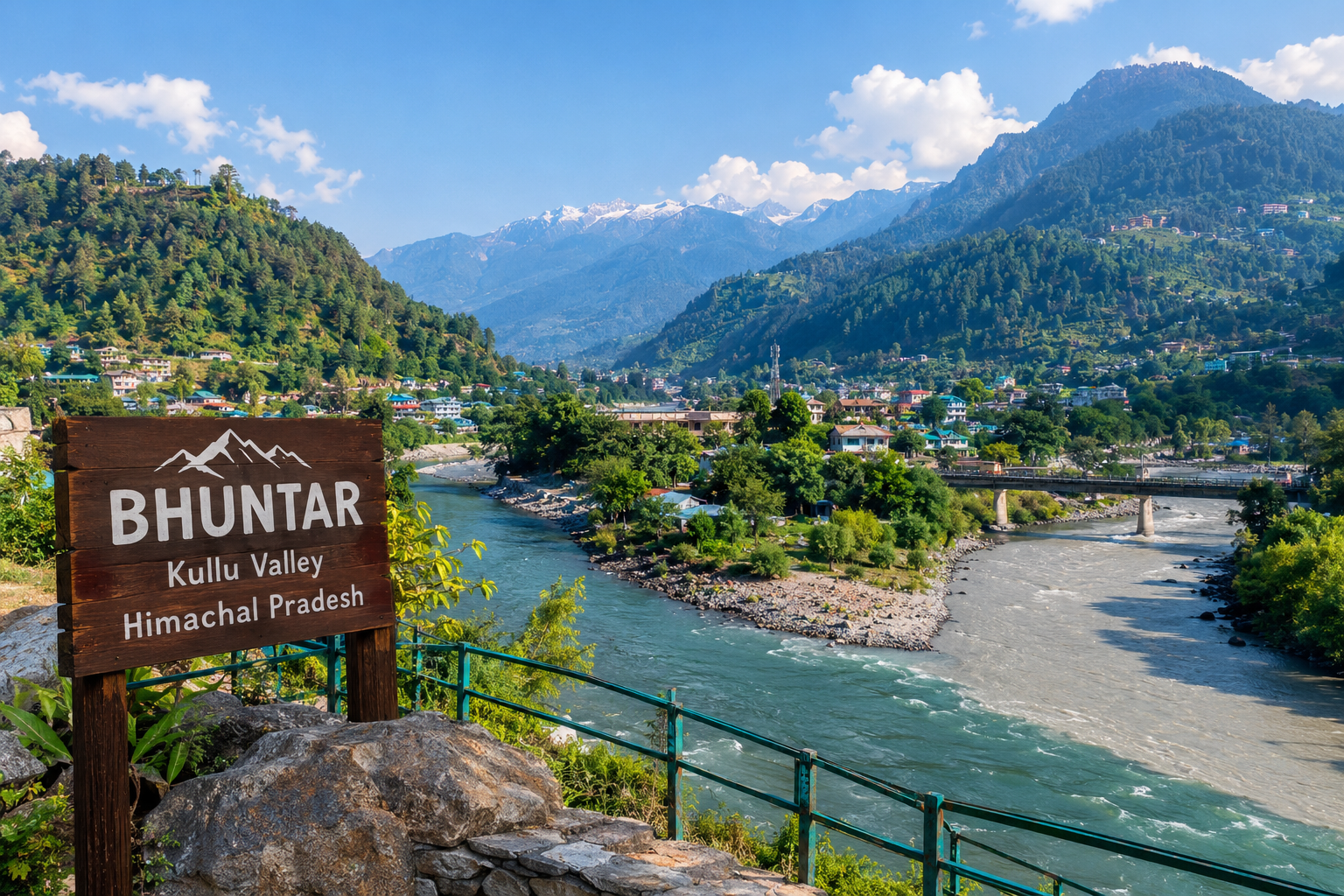
Parvati Valley lies in Kullu district in the state of Himachal Pradesh. It follows the Parvati River, which flows through a mountain landscape before joining the Beas River near Bhuntar.
Bhuntar is the main road junction for travellers entering the valley from the Kullu-Manali highway. From here, the road continues towards Kasol and Manikaran before reaching Barshaini, which serves as an important starting point for journeys into the upper valley and nearby trekking areas.
Understanding these distances and routes is useful when planning your stay. Although several destinations appear close together on a map, winding mountain roads, local transport schedules and walking sections can make journeys take longer than expected.
Best Places to Visit in Parvati Valley
Kasol
Kasol is one of the best-known destinations in Parvati Valley and a convenient place to begin exploring the region. Situated along the Parvati River, it has guesthouses, hotels, cafés, small shops and places to sit and enjoy the mountain surroundings.
The village is particularly popular with backpackers and travellers looking for a relaxed atmosphere. You can spend time exploring the local market, trying food at a café or walking through the accessible parts of the settlement. The river adds to the scenery, but its current can be powerful, so avoid entering the water or standing on unstable rocks near the bank.
Manikaran Sahib
Manikaran is an important pilgrimage destination for both Sikhs and Hindus. Located further along the valley from Kasol, it is known for Manikaran Sahib Gurudwara, natural hot springs and Hindu temples.
The hot springs are a distinctive feature of Manikaran. Their naturally heated water has long been part of local religious traditions, and food is traditionally cooked using the heat in designated areas. Visitors should follow the instructions displayed at the site and avoid entering restricted or dangerously hot water.
Allow a few hours for the visit rather than treating Manikaran as a quick stop on the way to another destination.
Chalal
Chalal is a small settlement near Kasol that appeals to travellers who want to explore beyond the main market. Reaching it generally involves a walk from the Kasol area, depending on the route and current access conditions.
The experience is less about visiting a major monument and more about enjoying the forest surroundings, village paths and slower pace of life. It can be a good option for a short outing if you do not want to undertake a demanding trek.
Check the condition of the walking route locally, especially after heavy rainfall. Wear suitable footwear and allow enough daylight for the return journey.
Tosh
Tosh is a mountain village in the upper part of Parvati Valley, reached by travelling towards Barshaini and continuing along the road towards Tosh. The village is known for its hillside setting, traditional buildings, accommodation options and views of the surrounding mountains.
Compared with Kasol, Tosh can feel more removed from the main tourist activity. Travellers often choose it for a quieter stay, mountain scenery and walks around the settlement.
Remember that accommodation and road access can vary by location and season. Some properties may require walking uphill from the road, so check the exact location before booking, particularly if you are travelling with children, older family members or heavy luggage.
Pulga and Kalga
Pulga and Kalga are mountain villages in the Barshaini area that offer an alternative to staying in the busier parts of the valley. Their appeal lies in the surrounding forests, village paths, orchards and slower pace of everyday life.
These villages are suitable for travellers who prefer spending time in one place rather than moving between attractions throughout the day. You can explore the surroundings on foot, enjoy the mountain setting and learn more about life in the upper valley.
Do not assume that every village has the same facilities as Kasol. Confirm accommodation, food availability, road conditions and walking distances in advance, especially if you plan to visit during the colder months.
Malana
Malana is a well-known village in Kullu district, recognised for its distinctive cultural traditions and community customs. It lies in a side valley and is reached by a separate route from the main Bhuntar-Manikaran road.
A visit to Malana is different from visiting a typical tourist village. Local customs and rules are important to residents, and visitors should follow instructions about access, photography and contact with buildings or religious sites. Ask before taking photographs and do not treat local traditions as tourist entertainment.
Plan this visit separately rather than assuming you can comfortably fit it into a short Kasol-Manikaran outing.
Things to Do in Parvati Valley
The best activities in Parvati Valley depend on your interests and the time available. You do not need to undertake a difficult trek to enjoy the region.
Explore the villages on foot: Walk through the accessible parts of Kasol, visit Chalal or spend time exploring the paths around Tosh, Pulga and Kalga. Choose routes according to your fitness and current trail conditions.
Experience the local food scene: Kasol has cafés and eateries serving a range of Indian and international dishes. You can also try local Himachali food where it is available, particularly if you are staying in a village homestay.
Visit religious sites: Manikaran Sahib is a major reason many travellers come to the valley. Take time to understand its significance and observe the customs of the place.
Enjoy the mountain scenery: Find a safe, accessible viewpoint or take a walk through the village surroundings. The scenery changes with the season, from greener slopes during warmer months to colder, snow-affected landscapes in winter.
Go trekking: The valley provides access to several trekking routes, including the popular Kheerganga trek from the Barshaini area. Longer routes in the region require more preparation and should not be treated as casual sightseeing walks.
Kheerganga Trek: What Travellers Should Know
Kheerganga is one of the best-known trekking destinations associated with Parvati Valley. The route begins in the Barshaini area and climbs through forested terrain towards a high-altitude meadow known for its hot springs and mountain setting.
The trek requires considerably more effort than a walk around Kasol. The route involves sustained uphill walking, uneven ground and changing weather. The time required depends on your fitness, walking pace, trail conditions and the rules in force at the time of your visit.
Before setting out, check whether the route is open, ask about current trail conditions and confirm the latest arrangements for overnight stays. Camping and access rules can change, so do not rely solely on older travel blogs.
Carry suitable shoes, warm clothing, drinking water, food and a charged phone. If you are inexperienced with mountain trekking, consider a suitable registered local guide. Avoid attempting the trek during dangerous weather or when authorities advise against travel.
Best Time to Visit Parvati Valley
Parvati Valley can be visited in different seasons, but the experience changes considerably throughout the year.
March to June
Spring and early summer are popular for sightseeing, village walks and exploring Kasol and Manikaran. Conditions are often more comfortable for general travel than during the coldest months, although temperatures can still fall at night and higher areas may retain snow.
July to August
The monsoon brings greener landscapes, but heavy rain can also cause landslides, slippery roads, falling rocks and trail damage. River levels and currents can become dangerous. This is a season when checking local weather and road information is particularly important.
September to November
The post-monsoon period can be a good time to explore the valley, with clearer conditions on many days and pleasant opportunities for village walks. However, weather becomes colder as autumn progresses, especially at higher elevations.
December to February
Winter brings cold temperatures and the possibility of snow in higher villages and trekking areas. Some routes or accommodation options may be affected by snow and weather. If you want a comfortable sightseeing trip, check road access and accommodation availability before travelling.
Practical advice: For a first visit focused on Kasol, Manikaran and nearby villages, spring or the post-monsoon period can be a sensible choice. For trekking, select your dates according to the specific route, current conditions and official guidance rather than relying on the season alone.
How to Reach Parvati Valley
By Road
Road travel is the most practical way to reach Parvati Valley. Travellers generally reach Bhuntar from Kullu, Manali, Mandi, Chandigarh or Delhi, depending on their starting point. At Bhuntar, the road branches towards Kasol and Manikaran.
Buses and taxis operate on routes serving the main settlements, although the frequency and availability of onward transport can vary. If you plan to visit upper villages, confirm local transport and the final walking distance before leaving Bhuntar or Kasol.
By Air
Bhuntar Airport, also known as Kullu-Manali Airport, is the nearest airport for the main Parvati Valley route. Flight schedules and availability can be limited, so check current services before building your itinerary around air travel. From the airport, you will need road transport to reach Kasol or other settlements.
By Train
There is no railway station in Parvati Valley itself. Travellers coming by train need to continue by road from a suitable railhead. The most practical rail connection depends on your origin, train availability and onward transport arrangements, so check the complete journey rather than choosing a station based only on straight-line distance.
How Many Days Are Enough for Parvati Valley?
For most first-time visitors, two to three days can provide a useful introduction to the main part of the valley. Longer stays are better if you want to explore several villages or undertake a trek.
Two-Day Itinerary
Day 1: Reach Kasol, check into your accommodation, explore the village and enjoy a relaxed walk in the surrounding area.
Day 2: Visit Manikaran Sahib, spend time exploring the settlement and return towards Bhuntar or continue your journey.
This itinerary works well for travellers who want a short trip without trying to cover too many places.
Three-Day Itinerary
Day 1: Arrive in Kasol, explore the market and enjoy the riverside scenery from safe public areas.
Day 2: Visit Manikaran and continue towards Barshaini. If transport and time allow, explore one of the nearby villages, such as Tosh, Pulga or Kalga.
Day 3: Spend the morning exploring the village where you are staying, or take a suitable local walk. Return with enough time for your onward journey.
If Kheerganga trekking is your main purpose, plan a separate itinerary with sufficient time for the trek and recovery. Do not combine it with several distant sightseeing stops simply to fit everything into three days.
Essential Travel Tips for Parvati Valley
- Check weather and road conditions: Mountain roads can be affected by rain, landslides, snow and repair work.
- Keep your itinerary flexible: Avoid scheduling long drives, village visits and demanding treks too tightly.
- Respect the river: Strong currents can be deceptive, even when the water looks calm. Stay away from unstable banks and do not enter the river without authorised arrangements.
- Respect local customs: Follow instructions at religious sites and in traditional villages. Ask permission before photographing residents or private property.
- Carry essentials: Keep some cash, identification, suitable walking shoes, warm layers, medicines you normally need and a power bank.
- Choose authorised adventure operators: For trekking and other adventure activities, verify current permissions, guide arrangements and safety equipment.
- Leave no litter: Carry waste back with you and avoid disturbing forests, streams and village surroundings.
Conclusion
Parvati Valley is best explored at a pace that leaves room for the journey itself. Kasol provides a convenient introduction, Manikaran adds religious and cultural depth, and the upper villages offer a different perspective on life in the mountains. Travellers who enjoy trekking can explore routes such as Kheerganga, provided they plan around current conditions and their own ability.
Rather than trying to visit every place in a single trip, choose the settlements and activities that suit your available time. With a realistic itinerary, respect for local communities and attention to mountain safety, Parvati Valley can be a rewarding part of a Himachal Pradesh journey.
FAQs:
Q1. Is Parvati Valley worth visiting?
Yes. Parvati Valley offers a mix of mountain scenery, village life, religious sites, cafés and trekking opportunities. It can suit both travellers looking for a short sightseeing break and those planning a longer outdoor trip.
Q2. Is Kasol the same as Parvati Valley?
No. Kasol is one of the best-known settlements within Parvati Valley. The wider valley includes other places, such as Manikaran, Barshaini, Tosh, Pulga and Kalga.
Q3. Can I visit Parvati Valley in two days?
Yes. Two days are enough for a short visit focused on Kasol and Manikaran. If you want to explore upper villages or go trekking, allow more time.
Q4. Is Parvati Valley suitable for families?
Yes, particularly if you focus on accessible settlements, religious sites and relaxed sightseeing. Families should choose accommodation carefully, check road conditions and avoid demanding treks unless everyone is suitably prepared.
Q5. Is the Kheerganga trek suitable for beginners?
It may be manageable for some beginners with good fitness and preparation, but it is not an easy sightseeing walk. Check current trail conditions, allow adequate time and seek local guidance before starting.