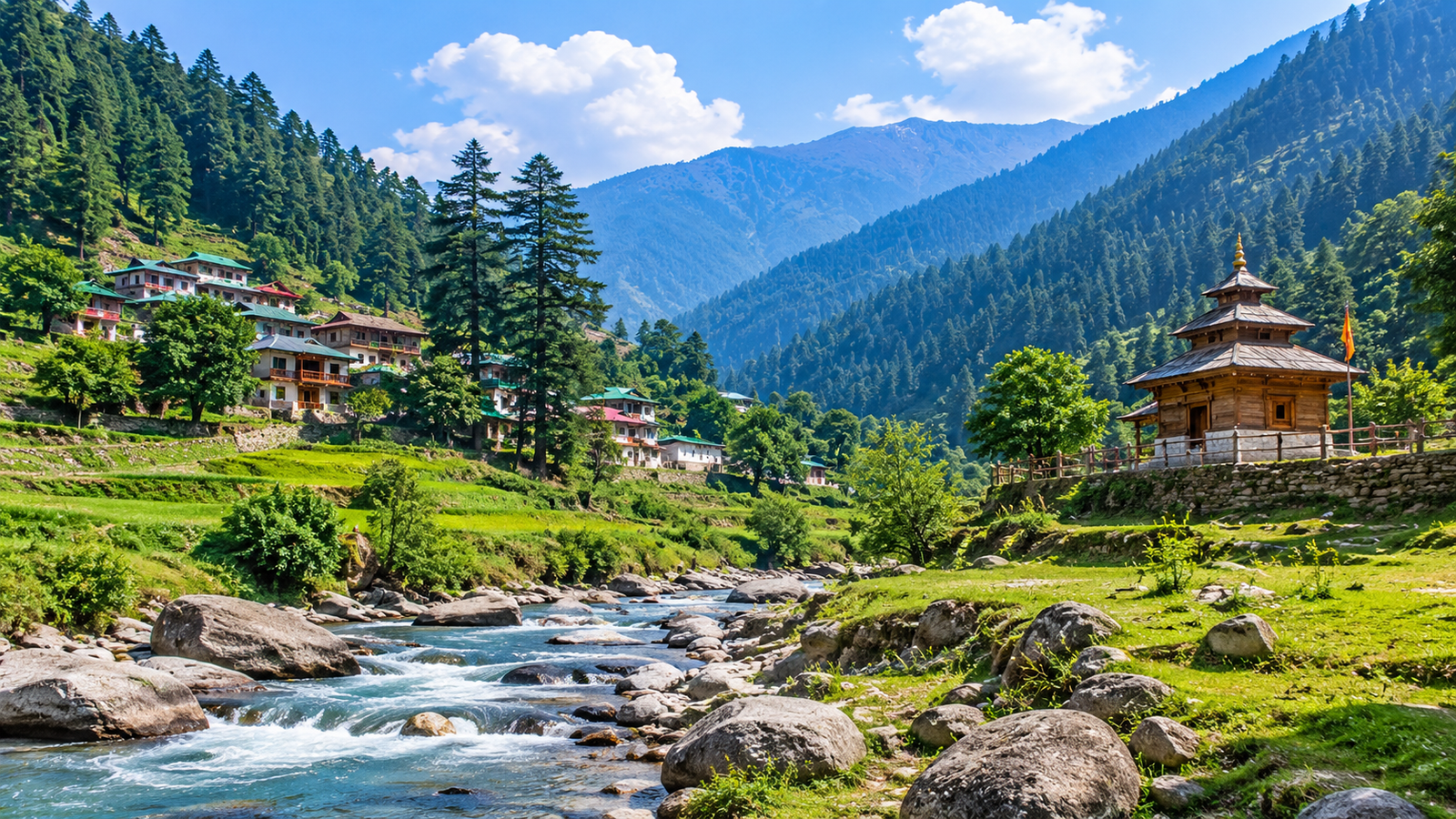
Not every destination in Himachal Pradesh needs a long list of activities; sometimes all we need is a place to relax and spend time with ourselves. Barot is one of those places where you can take your time and sit on the grass, humming a song under your breath.
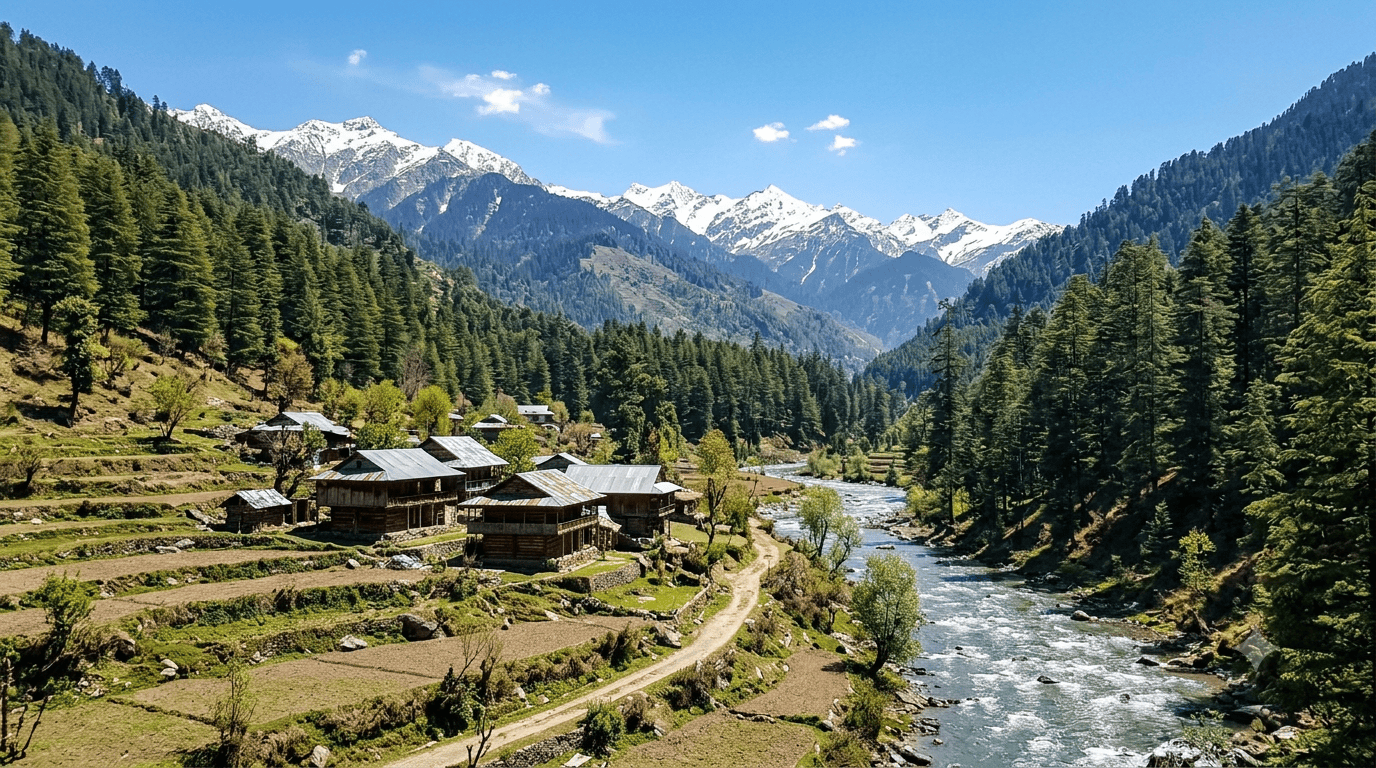
I visited Barot only once, and I still couldn’t get it out of my mind. This place offers you so many things that you can fall in love with. Barot is a scenic mountain village in Himachal Pradesh’s Mandi district, nestled along the banks of the Uhl River. This valley gives you a whiff of fresh air with the scenic mountains in front of you.
Barot is basically known for its peaceful surroundings, trout fish farm, historic Shanan hydroelectric project, and access to remote villages and trekking routes. One thing I have noticed while being there is that, unlike Manali and Kasol, Barot has retained much of its traditional mountain character.
Location Overview: Where is Barot located?
Barot is located in the Chauhar Valley region of Mandi district of Himachal Pradesh. The town is easily accessible through nearby towns. The village itself is like a fairy tale, where every vacation has a happy ending. It has the Uhl River situated along with the village and the forest slopes covering almost every part.
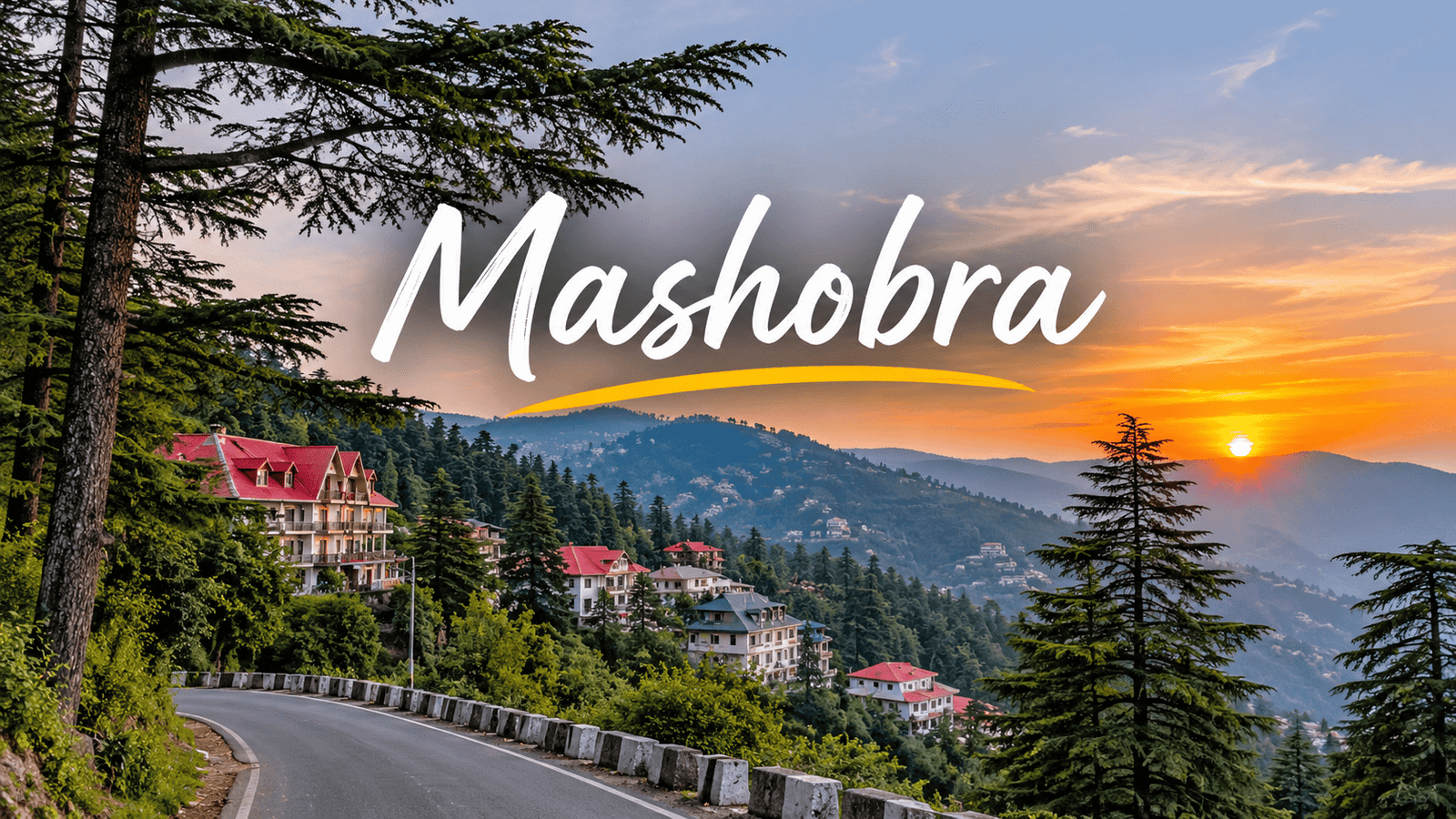
Barot can be reached by road through Joginder Nagar and Ghatasani, which connect the village with nearby towns. The journey itself is an experience; while I was travelling, the mountains were covered in mist since it was a rainy day, and the roads looked absolutely beautiful. Let’s get to know what some of the best places are to visit in Barot Valley to have the most beautiful tale to tell.
Top places to visit in Barot Valley:
Uhl River:
First and foremost, as I have been telling you from the start, Uhl River is one of the most beautiful attractions in Barot Valley. The entire character of the valley comes from this river, and the peace it provides is otherworldly. You can spend some time on the rocky banks while looking at the clear mountain water flowing in the river that is surrounded by greenery.
The Uhl River is also associated with trout fishing, since the cold water provides a suitable environment for the trout to survive. However, fishing is regulated here; if you are interested in trout fishing, you should have an appropriate license and permission from the local authorities.
The best time to visit the Uhl River is during spring and autumn because it is the time when the river is glass-clear, and the current is not as heavy as during the monsoons. And spring and autumn provide pleasant weather where you can just sit and enjoy the flow of the river.
Barot Dam and reservoir:
After the Uhl River, the Barot Dam is another of the most recognisable destinations, where the reservoir is connected with the historic Shanan Hydroelectric project, which played an important role in the development of the entire region. You might ask how the Uhl River is connected with this project after all.
The dam draws water from the Uhl River, which is diverted through a network of tunnels to the Shanan Power House near Joginder Nagar. You should visit the Shanan project because it gives more than the history of the valley. The natural landscape around it provides a peaceful aura that you will never forget. It is an excellent place to spend some quiet time, observe the water and enjoy the natural beauty of the valley.
My suggestion is to visit this place in the morning or late evening, when the surroundings are particularly peaceful.
Nargu wildlife sanctuary:
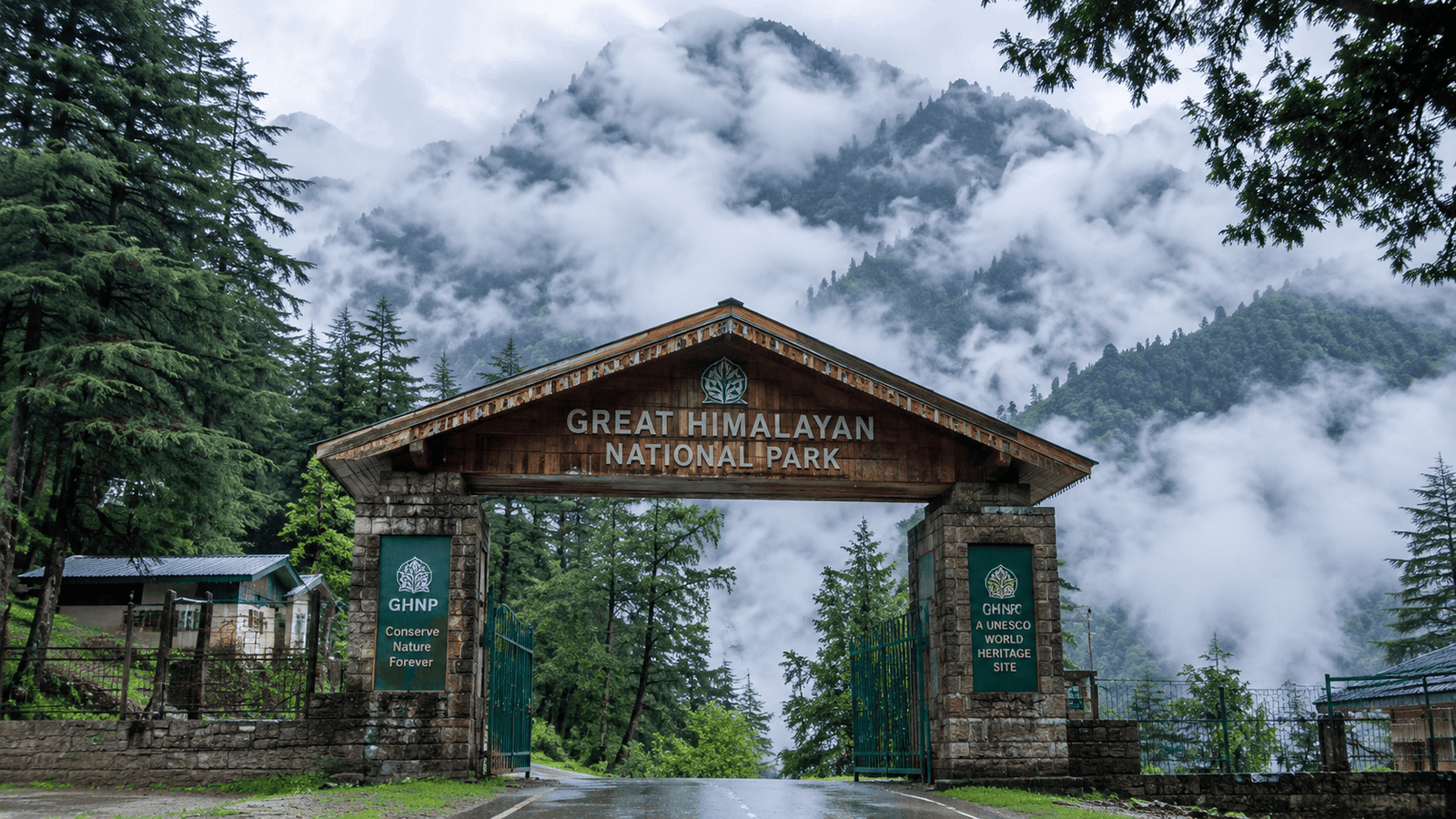
If you are a nature enthusiast who loves to photograph different flora and fauna around the corner, then the Nargu Wildlife Sanctuary is a must-visit. The forest landscape is covered with the trees of deodar, and pine that gives natural habitat to the animal and birds living there. It is located across the Uhl River and is known as a home to many Himalayan wildlife species.
Along with Himalayan black bears, goral and pheasants, you will find the Himalayan Monal too. The bird is the most notable bird in the sanctuary. However, one thing to keep in mind is that wildlife sightings are never guaranteed, and you shouldn’t plan the whole trip around it. It is quite normal to walk around the sanctuary and only find birds flying.
Dev Pashakot temple:
When I was walking around the valley, some locals told me about this temple; from there I understood that Baro is not only famous for nature and forests, but also for the local religious traditions. Curiosity got the best of me, and I went to see what this temple is about. Dedicated to the local deity Dev Pashakot, the temple holds an important place in the traditions and cultural heritage of the Chauhar Valley.
This isn’t like the big temples that are popular tourist destinations, but it provides a glimpse of how native people have a different religious life than people in other places. If you are interested in knowing the local culture and want to know more about how people live in the valley, visiting this temple can be worthwhile. But you should always respect the instructions and respect the local deity.
Lapas Waterfall:
It was my second day when I visited Lapas Waterfall, and I will not lie, it was absolutely worth it. Many people visiting Barot Valley don’t even know that a waterfall named Lapas exists there. It is located near Lapas village along the Ghatasani–Barot route. Reaching the waterfall doesn’t require extensive trekking and backpacking, and this makes it more attractive to people who have less time to stay in the valley and still want to cover one or more places.
It requires a short walk through the fields and uneven terrain. While on the walk to the waterfall, you can hear the sound of falling water that makes you a little giddy, and the sound becomes gradually clearer when you reach the waterfall and just one thing comes out of your mouth: “wow”; understand it, your trip was worthwhile.
Try to avoid this waterfall in your itinerary if you are travelling in the months of monsoon and heavy rainfall; the water current would be heavy, and many accidents could happen in a short span of time.
Lohardi Village:
While visiting Barot, if you didn’t visit Lohardi, then what’s the point? It is an excellent destination for visitors who want to explore the traditional village life of the region. The thing that made me stop and take a breath here was the exceptional landscape of the place. Have you ever imagined a village perched in the mountains, slopes of terraced agriculture farm steadily reaching down and behind mighty mountains, giving them background image? This village is exactly that.
It made me stop on my track for solid 30 minutes; it has something peaceful surrounding that the visitors who wants to explore quieter side of Himachal Pradesh this place is for you. Not only the village but the route to the village is absolutely scenic. Before my camera could click any photo, my jaw was on the floor. This is the place that will make you forget that you even have a phone, let alone your urge to use it.
Rajgundha Valley:
If you are interested in exploring the wider Barot and Bir region, Rajgundha Valley is a must-visit. Located at a higher altitude, it offers a striking contrast to Barot’s riverside scenery, with a landscape that feels entirely different. Beyond its village charm, this place is also a gateway to the Billing trekking trails, offering a chance to experience Himachal’s countryside, with its open pastures, hillside homes and fresh mountain streams.
It is not an ordinary road journey but actually involves a mountain trek; if trekking is on your list, do not forget to try Rajgundha Valley. Because the journey is especially rewarding for people who enjoy walking through the forests and want to experience traditional Himalayan settlements.
Things to do in Barot Valley:
Barot is not a typical destination that needs scheduled timing and backpacking to enjoy the trip. It doesn’t get any loud destination where adventures awaits you, Barot is the best destination for the visitors who wants to reward themselves a vacation of peace. But every trip needs some planning, big or small, so here is the list of activities you can do in Barot Valley:
- Since the valley is famous for the riverside settlement, you can take a walk along the rocky bank of the river.
- Barot offers more than just rivers, and that is trekking. Lohardi and Rajgundha Valley offer some beautiful trekking trails and could be the best option for this.
- The valley is so scenic that your camera won’t rest; you would want to take a photo of every corner of the valley. So, Barot Valley makes a good photography destination.
- Trout fishing is absolutely the most famous activity to do in Barot Valley, but it needs permission from the authorities. So, if you are planning to fish, do it cautiously with proper permission.
- Birdwatching, the forest, and the wildlife sanctuary are the natural habitats of many Himalayan birds. If the season and timing are right, you can even catch a Himalayan Monal in your sight.
- Exploring the local villages shouldn’t escape from the list of activities, because the villages gives off the glimpse of native settlements and the culture of the place.
- Find some good cafes and eateries in the valley to enjoy local authentic food. For the most authentic taste, try Himachali food at local eateries, where traditional dishes are prepared using regional recipes.
How to travel around Barot Valley:
Since I am from Himachal, it wasn’t difficult for me to find my way to the valley, but if you are reading this article from other states and planning your visit to this valley, it is important to know how to travel around it. It is crucial for those who don’t know the timing and road connectivity to the valley, and I will tell you how you can travel in Barot as follows:
By Taxi:
First and very common option: hire a taxi and tell the driver to drive you to any location in the Barot Valley. You can discuss your sightseeing plan with local drivers and arrange stops according to your schedule.
By local bus:
A slightly cheaper option than hiring a taxi is hailing a bus. The local buses connect Barot with nearby towns such as Joginder Nagar and Mandi. However, the timing and frequency of these buses could vary, so always make sure that you get the bus and have a backup plan if you cannot hail the bus on time.
Private Vehicle:
Best option for people from nearby areas or states, since travelling in your own car gives you more flexibility to explore the valley. If you are visiting remote villages or trekking starting points, check road accessibility before leaving.
Suggested itinerary: Explore Barot in 1-2 days.
Barot isn’t a big tourist place that will take you weeks to explore; I personally completed my trip in 2 days during the weekend, and on the evening, I was at home. But it needs planning too, including where you should start and end it, which destination needs longer time to explore than the others and many other things, so there is the suggested itinerary you can apply to your trip:
One-day Barot itinerary:
Start your day by exploring the Uhl River and Shanan project; you can easily spend some quality time here. If you visit only the Shanan project, you can see both the reservoir and the Uhl River, but it is best if you start your day late.
Afterwards, visit the trout breeding centre and learn about the importance of trout farming in the region. You can skip this activity if fishing isn’t your interest and you would rather spend your time exploring other attractions.
In the afternoon, you can visit Dev Pashakot temple, get your blessings, and if the time and conditions permit, you can explore the surrounding area too. Then enjoy your lunch in the local café and relax for a moment.
In the evening, you can take a walk around the Barot valley; this itinerary is suitable for travellers who want to explore the main attractions without undertaking longer treks.
Two -day Barot itinerary:
If you want a more comfortable visit and want to include trekking in your plans too, then extend your plan to the second day. On day one, you can explore the Barot valley as I have told you earlier and enjoy a peaceful evening by the river.
On the second day, you can include one or two short treks or just one long trek, depending on what area you want to explore. In the morning you can drive towards Lohardi village, and can explore the surrounding landscape. Then while coming back have a short walk to the Lapas waterfall and have lunch nearby the place.
If you plan to explore longer trekking routes, such as Rajgundha, consider extending your stay to allow enough time to complete the trek comfortably. It can take a long time to do the trekking, but it is absolutely worth it.
Conclusion:
Barot isn’t your typical destination where you reach, take a few photos and call the day. This is a place for the people who want more than loud adventures and extensive trips. Barot gives you enough time to relax and let you experience the quieter side of Himachal Pradesh.
What makes Barot special is not just the number of places you can visit. But it is the experience of travelling through its mountain roads, spending time beside the river and discovering small settlements
So, if you are planning a weekend and want peace to get out of your life’s stress, Barot is a destination to include in your trip to Himachal Pradesh. Take your time, explore responsibly and enjoy the slower pace of mountain life.
FAQs:
Q1. What is Barot Valley famous for?
Barot Valley is especially famous for the Uhl River, Shanan project, Dev Pashakot temple, and other forest landscapes. It gives a visitor a whiff of fresh air with immense peace.
Q2. How many days are enough to explore Barot Valley?
Normally, one day is enough to explore the valley comfortably. If your plans are more than just visiting the main attraction, then you would need some extra days. Normally, 2 days are enough for a journey in Barot Valley.
Q3. Is trekking possible in Barot Valley?
Yes. Barot offers visitors many options to choose from, either small or big treks. For the starters you can visit Lohardi village, Lapas waterfall, and for the bigger treks, Rajgundha trek to the Billing.
Q4. Is trout fishing allowed in Barot?
Trout fishing in Barot requires a valid fishing licence and permission from the Fisheries Department.
Q5. Is Barot Valley better than popular Himachal destinations?
Barot definitely gives you a different experience than other places. But calling any place better than another would be wrong, because every place in Himachal is unique. We don’t need to compare places to see which is good and which is bad; choose the destination according to the mood of your plans.