The festival of lights, Diwali 2026, is approaching, and preparations will soon begin across India. Markets come alive with festive decorations, diyas, sweets, gifts and traditional items as families prepare to celebrate one of India’s most widely observed festivals.
Diwali is celebrated over several days, with different traditions and rituals for Dhanteras, Narak Chaturdashi, Diwali, Govardhan Puja, and Bhai Dooj. Devotees especially worship Goddess Lakshmi on Diwali, seeking blessings for prosperity, happiness, and well-being.
In 2026, Diwali will be celebrated on Sunday, November 8. The Government of Himachal Pradesh also lists November 8, 2026, as the Diwali holiday.
Let’s take a look at the Diwali 2026 date, important festival days, Lakshmi Puja Muhurat, significance, traditions, celebrations and popular Diwali sweets.
When will Diwali be in 2023?
Diwali is traditionally celebrated on Amavasya, the new moon day, in the Hindu month of Kartika. In 2026, Diwali falls on Sunday, November 8th.
According to the Panchang, Amavasya Tithi begins at approximately 11:27 AM on November 8, 2026, and ends at approximately 12:31 PM on November 9, although local Panchang timings can vary slightly by location.
.
Read Also: Lakshmi Pooja, Festival of Prosperity and Love
Here’s a List of the Five Days of Diwali 2026:
| Date | Day | Festival |
|---|
| November 6, 2026 | Friday | Dhanteras |
| November 7, 2026 | Saturday | Narak Chaturdashi / Choti Diwali |
| November 8, 2026 | Sunday | Diwali / Lakshmi Puja |
| November 9, 2026 | Monday | Govardhan Puja |
| November 11, 2026 | Wednesday | Bhai Dooj |
The exact observance of some Diwali-related festivals can differ between regions and calendars. In Himachal Pradesh, the state government lists November 9 for Govardhan Puja and November 11 for Bhai Dooj.
Date and the Muhurta of Diwali 2026:
The main Diwali celebration will take place on Sunday, November 8, 2026.
For Shimla, Himachal Pradesh, the published Panchang timing gives the following:
| Event | Date / Time |
| Diwali | November 8, 2026 |
| Day | Sunday |
| Lakshmi Puja Muhurat | 5:50 PM to 7:44 PM |
| Pradosh Kaal | 5:28 PM to 8:07 PM |
| Amavasya Tithi Begins | 01-11-2008 11:27 |
| Amavasya Tithi Ends | 01-11-2009 12:31 |
The Lakshmi Puja Muhurat is location-specific, so people in Kangra and other parts of Himachal Pradesh should check the Panchang for their particular city before performing the puja.
Dhanteras 2026 – November 6th
Dhanteras will be observed on Friday, November 6, 2026.
The Dhanteras, also known as Dhantrayodashi, marks the beginning of the Diwali festive period for many families. People traditionally clean and decorate their homes and purchase items considered auspicious, including utensils, silver articles, gold and other new possessions.
Goddess Lakshmi and Lord Kubera are traditionally associated with Dhanteras. In many homes, people also light a diya in the evening as part of their traditional observances.
Narak Chaturdashi or Choti Diwali – November 7
Narak Chaturdashi will be observed on Saturday, November 7, 2026.
The Narak Chaturdashi is also commonly known as Choti Diwali. It is observed on the day before the main Diwali celebration in many parts of India.
Traditional practices associated with this day include lighting diyas, cleaning homes and preparing for the main Diwali festivities. The day is also associated with the traditional story of Lord Krishna and the defeat of Narakasura.
Diwali and Lakshmi Puja – November 8
Diwali will be celebrated on Sunday, November 8, 2026.
This is the main day of the festival. Families clean and decorate their homes, light diyas, prepare festive meals and sweets, exchange gifts and perform Lakshmi-Ganesh Puja.
In Shimla, Himachal Pradesh, the published Lakshmi Puja Muhurat is 5:50 PM to 7:44 PM. The Pradosh Kaal is given as 5:28 PM to 8:07 PM.
Since Muhurat can vary according to location, residents of Kangra and other districts should follow the local Panchang for the most appropriate timing.
Govardhan Puja – November 9
Govardhan Puja will be observed on Monday, November 9, 2026, in Himachal Pradesh according to the state government’s holiday list.
The Govardhan Puja is associated with Lord Krishna and the traditional story of Govardhan Hill. Devotees prepare offerings and participate in prayers as part of the day’s celebrations.
The festival is also known as Annakut in several parts of India, where a variety of food preparations are offered as part of the traditional celebration.
Bhai Dooj – November 11
Bhai Dooj will be observed on Wednesday, November 11, 2026. The Himachal Pradesh Government’s 2026 holiday notification also lists November 11 as Bhai Duj for women employees.
Bhai Dooj celebrates the bond between brothers and sisters. Traditionally, sisters apply a tilak to their brothers and pray for their well-being, while brothers give gifts to their sisters.
The festival is also known as Bhaiya Dooj, Bhai Duj or Yama Dwitiya in different regions.
.
Read Also: Bhai Dooj – Festival of the Beautiful bond Between Sister and brother
Significance of Diwali:
Diwali is associated with the victory of light over darkness and good over evil. The festival has different cultural and religious meanings across India and is celebrated through a variety of regional traditions.
For many Hindu families, Goddess Lakshmi is worshipped on Diwali as the goddess associated with wealth and prosperity. Lord Ganesha is also commonly worshipped during Lakshmi Puja.
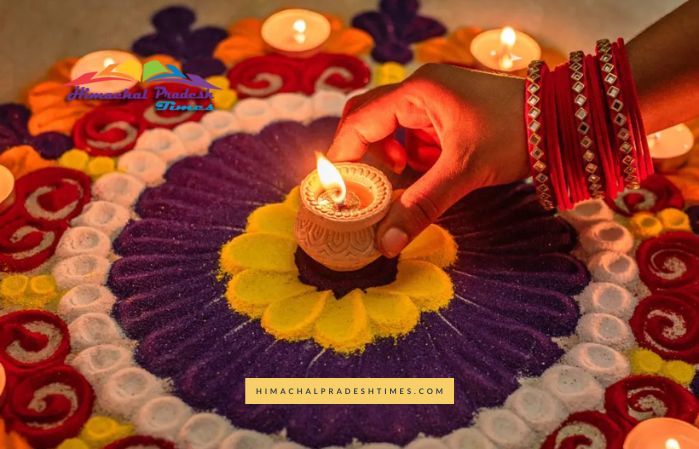
Before Diwali, people traditionally clean and decorate their homes with diyas, rangoli, flowers and lights. The festive atmosphere brings families and communities together.
Dhanteras is associated with prosperity and the purchase of new items, while Narak Chaturdashi, Diwali, Govardhan Puja and Bhai Dooj each have their own traditions and stories.
In Bengal and some other parts of eastern India, Diwali coincides with Kali Puja, during which Goddess Kali is worshipped. This is one example of how Diwali-related traditions vary across different parts of India.
Diwali Celebration: Diwali 2023:
Diwali can be celebrated with family and friends through traditional and meaningful activities.
Decorate Your Home:
Clean and decorate your home before Diwali. Rangoli, diyas, flowers, lanterns and decorative lights can add a festive touch to your surroundings.
Diya Lighting:
Lighting diyas is one of the most recognizable Diwali traditions. Place diyas around your home, entrance, balcony or other suitable areas while taking normal fire-safety precautions.
Perform Lakshmi-Ganesh Puja
Families can perform traditional Lakshmi-Ganesh Puja on Diwali evening. Keep the puja area clean and arrange the required puja items beforehand.
Spend Time With Family
Diwali is an opportunity to spend quality time with family members, relatives and friends. Sharing sweets and meals and exchanging gifts are common parts of the celebration.
Choose an Eco-Friendly Celebration
People can reduce waste by choosing reusable decorations, avoiding unnecessary plastic and disposing of festive waste responsibly.
If fireworks are used, follow local regulations and safety instructions and maintain a safe distance from people, buildings and animals.
Read Also: Diwali Decor Ideas to Give your House a Brighter Look
Diwali 2026: Most Popular Diwali Sweets and Dishes
Diwali celebrations are closely associated with sweets and festive food. Families often prepare traditional sweets at home or purchase them from local sweet shops.
Here are some popular Diwali sweets and snacks:
- Gulab Jamun: These melt-in-the-mouth delights are like sweet, round clouds. Made from khoya (reduced milk), they’re soft and have a golden brown outside. These little sweet balls are soaked in sugar syrup, making them sweet and syrupy. It’s like a sugary hug in your mouth!
- Jalebi: Picture a swirling, golden-orange pretzel, but sweet! Jalebis are made by deep-frying a wheat flour batter into a spiral shape and then soaking them in sugar syrup. The result is a crispy, syrupy, tangy-sweet treat.
- Laddoo: Round and cute, laddoos are like little sweet dumplings. They’re made from flour, sugar, and ghee, rolled into bite-sized balls. Some popular types include Besan Laddoo, made from gram flour, and Coconut Laddoo, made with grated coconut. They’re like tiny, sugary treasures!
- Samosa: While not sweet, these are Diwali favorites for many. Samosas are crispy, triangular pastries filled with spiced potatoes, peas, and sometimes even minced meat. They are like crunchy flavor bombs that add a savory touch to the festive spread.
- Barfi: Barfi is a sweet square made from condensed milk and sugar, and comes in various flavors. Whether it’s the classic plain barfi or those infused with nuts like pistachios or almonds, these sweets are like little bites of happiness.
- Kaju Katli: Shaped like diamond jewels, kajukatli is a rich and smooth sweet made from cashews. The cashews are ground to form a paste, mixed with sugar, and then flattened into thin, diamond-shaped pieces. Each piece is a decadent delight, rich in nutty goodness.
Remember, Diwali is a time when kitchens come alive with the aroma of these delicious treats. Families gather to enjoy these sweets and savory delights, spreading joy and happiness all around.
Conclusion:
Homes come alive with the cheery talk of loved ones and the warm glow of lamps as the colorful celebration of Diwali draws near. But even while we celebrate, it’s essential to keep in mind how our activities affect the environment. This Diwali 2023, let’s make a collective effort to celebrate responsibly. While the tradition of bursting firecrackers has been a part of Diwali for many, let’s consider the environmental consequences and the harm it causes to our surroundings. By choosing to avoid firecrackers, we not only contribute to a safer and healthier environment but also show our commitment to a sustainable and mindful celebration.
Lastly, I wish you and your loved ones a Happy Diwali filled with warmth, prosperity, and the radiant glow of happiness. May the light of this festival shine brightly in your lives, spreading love and positivity.
Happy Diwali to all!
Read Also: Welcome to Diwali – Diwali Home Decoration
Hope that this blog has helped you to know in detail about Diwali 2023, Diwali dates, muhurat, the significance of the festival, Diwali sweets, celebrations, and everything. You can share your valuable feedback regarding the blog in the comment section below. And don’t forget to stay connected with us for more helpful and informative blogs!
Thank You, and Happy Diwali to all of you.