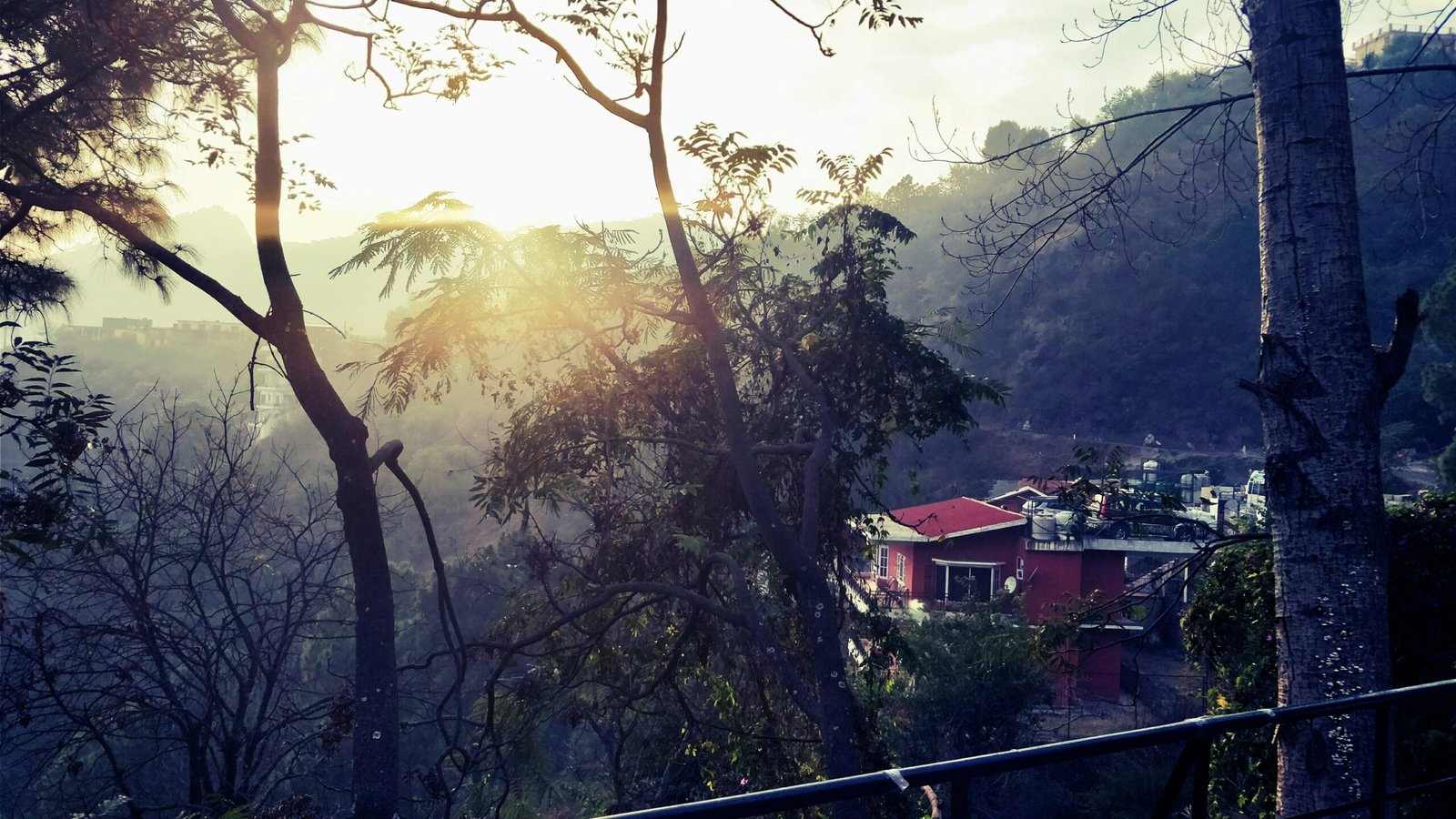
Kasauli, that is famous for its pine-covered forests, trails that leads to serenity and hotels just to live for. This little hill station gives its visitor a breath of fresh air from their normal city lives. But it doesn’t just stop here, Kasauli has a lot more in store from just nature and mountains.
Kasauli has a unique spiritual character, shaped by its colonial history, Hindu traditions and peaceful Himalayan surroundings. Himachal Pradesh, the Queen of hills, is also nicknamed as – Devbhoomi. And fairly so, this northernmost state of India provides not just Himalayan peaks, but spiritual sites where you can get immerse in the God and forget your stress.
While the town is famous for its pine forests, Mall Road, viewpoints, and heritage architecture, its churches and temples offer another way to experience the cultural side of the hill station. From historic churches with beautiful stained-glass windows to hilltop temples surrounded by forests, these religious landmarks are worth including in a Kasauli sightseeing itinerary.
Famous Temples and Churches in Kasauli:
1. Christ Church
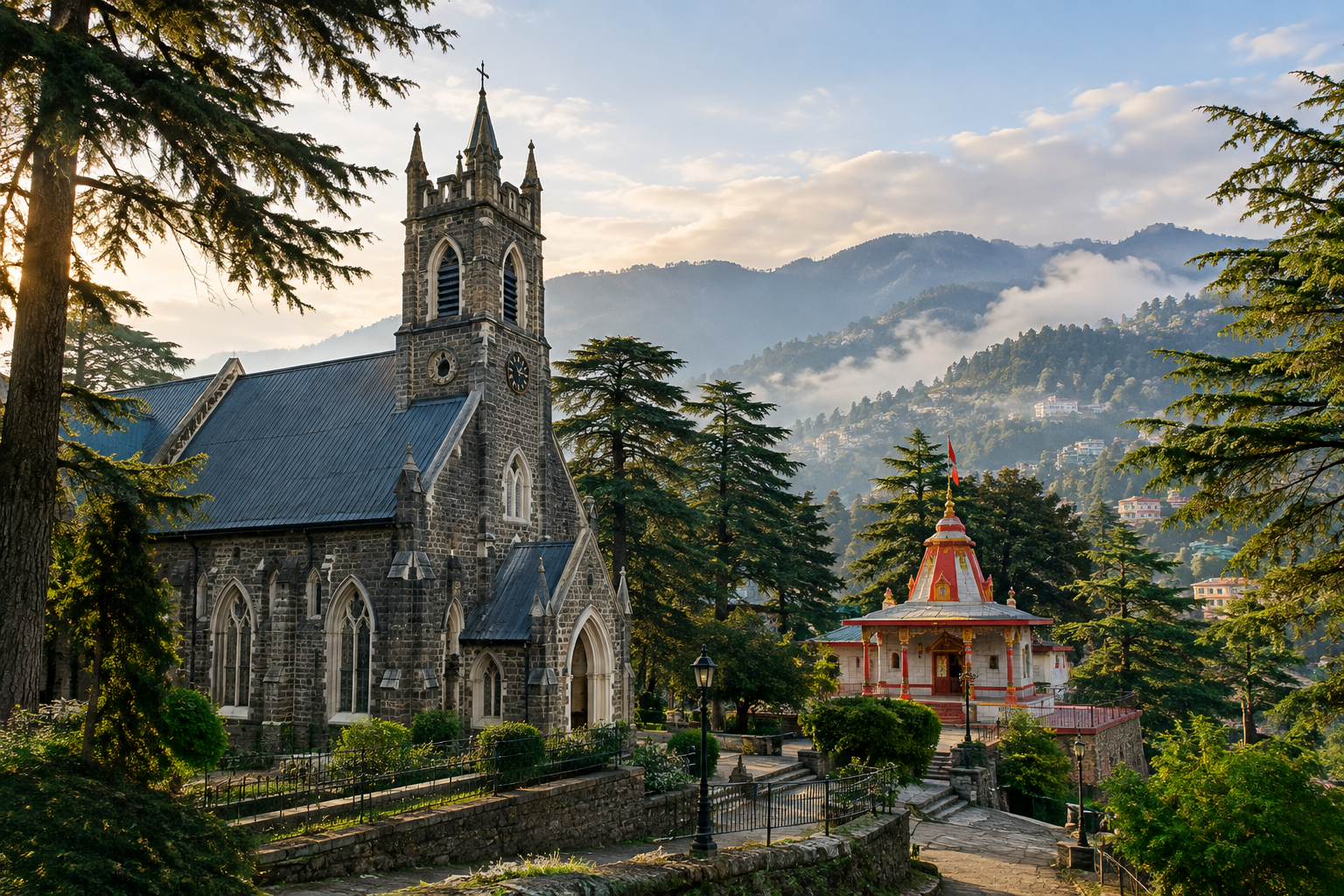
Christ Church is one of the most recognizable landmarks in Kasauli and an important reminder of the town’s colonial past. Located in the heart of Kasauli near the mall area, the Church was built in 19th century during the British era. It’s distinctive architecture and peaceful surroundings make it one of the most photographed heritage attractions in the town.
The Church is known for its Gothic style architecture, tall arches, stone exterior and colourful stained-glass windows depicting biblical scenes. The surrounding pine trees add to its old-world atmosphere, making the church particularly beautiful during quite mornings and evening hours.
Beyond its religious significance Christ Church is an interesting destination for the visitors who enjoy history, architecture, and heritage tourism. It can conveniently be explored while walking around Mall Road and the other colonial era architectures around Kasauli.
2. Kasauli Baptist Church
Situated near Sadar Bazar, Kasauli Baptist Church is another significant religious and heritage attraction. The Church was built in 1923, during the British colonial period, and is surrounded by the area’s characteristics pine forests.
Church display Neo-gothic architectural elements, including arched windows, sloping roof and a prominent bell tower. Its interior is particularly interesting because of its stained-glass artwork and traditional wooden details.
One distinctive feature of is its cruciform floor plan, while the Church’s courtyard and adjoining cemetery add to its historic character. Some of the graves of the cemetery dates back to 150 years, making the site significant from the local heritage perspective as well.
Because its location is close to the market, visitors can easily combine a visit to the Church with shopping, café hopping, and exploring older streets in Kasauli.
3. Hanuman temple at Manki point
Manki point also commonly called Monkey point, is one of the Kasauli’s most popular viewpoints and is also home to small Hanuman Temple. Located at one of the highest points at Kasauli, the site combines religious significance with spectacular mountain scenery.
According to the local tradition associated with the Ramayana, Lord Hanuman is believed to have places his foot at this location while searching for Sanjeevani herb for Lord Lakshman. This belief gives Manki point an important place in the religious landscape of the Kasauli.
The journey to the temple is as much a part of the experience as the shrine itself. From the elevated location, visitors can enjoy panoramic views of the surrounding hills and valleys. The combination of Spirituality, mythology, and mountain scenery makes Manki point particularly appealing to both pilgrim and tourists.
Since the area has security restrictions due to the location within an Indian Air Force facility, visitors should check the current entry requirements before planning their visit.
4. Baba Balak Nath Temple
The Baba Balak Nath Temple is another important religious attractions associated with Kasauli. Dedicated to Baba Balak Nath, a revered Hindu mystic and devotee of Lord Shiva, the shrine is situated amid the hills and greenery of the region.
The temple is reached by climbing towards the hilltop and the journey provides visitors with beautiful view of the surrounding forests and valleys. The peaceful mountain environment gives the shrine a calm and devotional serenity.
This is long standing local belief that couples seeking children visit the temple to pray for the blessings. The temple becomes particularly lively during its annual celebration around Holi, when devotees gather for prayers and festivities.
For travelers interested in religious tourism, the temple provides the opportunity to experience a quieter and more traditional side of Kasauli beyond the colonial landmarks.
This Temple is not associated with Baba Balak Nath Temple in Deotsidh, Hamirpur, this is local temple associated with the Kasauli area only.
5. Shirdi Sai Baba Temple
The Shirdi Sai Baba Temple is another peaceful spiritual attraction in the Kasauli region. Dedicated to Sai Baba of Shirdi, the temple attracts devotees who come to offer prayers and spend time in quiet reflection.
Unlike the grand colonial architecture of Kasauli’s churches, the temple offers a more intimate religious experience. Its peaceful setting amid the hills makes it suitable for visitors looking for a moment of tranquillity during their Kasauli trip.
The temple can be included in a broader sightseeing itinerary along with Kasauli’s viewpoints, walking trails and other cultural attractions.
6. Gurudwara Shri Guru Nanak ji
The religious diversity of the Kasauli region can also be experienced through its Sikh heritage. Gurudwara Shri Guru Nanak Ji in the Gharkhal area is a place of worship where visitors can experience the peaceful atmosphere associated with a Sikh gurdwara.
A visit here can add another cultural dimension to a Kasauli trip, particularly for travellers interested in understanding the religious diversity and traditions of the hill region.
Why visit Kasauli’s Temples and Churches?
Kasauli’s religious landmarks offer much more than places of worship. They bring together several aspects of the town’s identity:
- Colonial heritage – Christ Church and Kasauli Baptist Church showcase the architectural legacy of the British period.
- Hindu mythology – Manki Point connects local religious traditions with the Ramayana.
- Spiritual tourism – Temples such as Baba Balak Nath Temple provide peaceful places for prayer and reflection.
- Natural beauty – Many shrines are surrounded by pine forests, hills and mountain views.
- Cultural diversity – Churches, temples and gurdwaras together reflect the area’s varied religious traditions
Festivals and Religious Celebrations in Kasauli
Kasauli’s religious heritage reflects the diverse culture influences that have shaped this hill town over the year. Alongside, its traditional Hindu temples, Kasauli is home to historic churches that preserve its colonial-era Christian heritage. As a result, the town observes a variety of religious occasions throughout the year, bringing together the local traditions, worship and community celebrations.
Himachal Pradesh itself is known for its diverse religious heritage, with temples and churches forming an important part of the state’s cultural landscapes.
Hindu Festivals around Kasauli’s Temples
Hindu festivals are an important part of religious life in Kasauli and the surrounding regions. Festivals such as Navratri, Shivrarti, Janmashtami and Diwali are celebrated with prayers, temple visits, devotional activities and gatherings of devotees. During these occasions local temple become livelier as residents and visitors come to seek blessings and take part in religious ceremonies.
The festive atmosphere also provide travellers with an opportunity to experience the spiritual side of the Kasauli and learn more about the customs followed by local communities. Across Himachal Pradesh, religious festivals and fairs are deeply connected with local tradition and community life.
Christmas celebration at Kasauli
Christmas brings a different atmosphere to Kasauli, particularly around its historic churches. Christ Church and other churches in the town become important places of worship during the Christmas season. Church services, prayers, Christmas decorations, and gatherings mark the celebration, while the peaceful hill-station setting adds to the festive atmosphere.
Kasauli’s churches are also significant examples of the town’s colonial heritage. For instance, Himachal Tourism describes the Baptist Church in Kasauli as a historic structure with distinctive architecture and stained-glass windows.
Easter and Church services
Easter is another important occasion in Kasauli’s Christian community. Churches hold religious services and prayers commemorating the resurrection of Jesus Christ. Visitors interested in experiencing Kasauli’s religious heritage can attend services where permitted, while respecting the customs and practices of the congregation.
The historic churches themselves add to the experience. Their architecture, stained-glass windows, old interiors, and peaceful surroundings offer visitors a glimpse into Kasauli’s Christian and colonial past.
Festivals brings locals and visitors together
Religious festivals in Kasauli are not only occasions for worship but also opportunities for community interaction and cultural experiences. Local residents participate in religious ceremonies and celebrations, while visitors can experience the traditions and atmosphere of the hill town.
Whether it is the devotional environment surrounding a Hindu festival or the peaceful Christmas and Easter services held in Kasauli’s churches, these occasions add another dimension to exploring the town. They demonstrate how Kasauli’s religious traditions, local culture, and colonial heritage coexist within the same Himalayan landscape.
Religious Etiquettes and Visitor Tips in Kasauli
Visiting the temples and churches of Kasauli is an opportunity to experience the town’s spiritual traditions and cultural heritage. Whether you are visiting a temple for prayers or exploring a historic church, being mindful of local customs helps ensure a respectful and pleasant experience.
Dress Modestly
Wear modest and comfortable clothing when visiting religious places in Kasauli. Avoid overly revealing outfits, particularly when entering temples or attending religious services. Comfortable clothing is also useful when exploring several attractions on foot.
Maintain Silence
Keep your voice low and avoid unnecessary conversations inside temples, churches, and prayer areas. Maintaining a peaceful environment allows worshippers to pray and visitors to appreciate the spiritual atmosphere of these places.
Ask before taking Photographs
Always check whether photography is permitted before taking pictures inside a religious site. If a prayer service, ceremony, or other religious activity is taking place, ask for permission before photographing people or the proceedings.
Remove footwear where required
Many Hindu temples require visitors to remove their shoes before entering the main shrine or prayer area. Follow the instructions displayed at the entrance and leave your footwear in the designated place. Churches may have different practices, so follow the guidelines of the particular site.
Respect Local Custom
Every religious place has its own traditions and practices. Follow the instructions of priests, church staff, or local devotees, and avoid touching religious objects or entering restricted areas unless permitted. Showing respect for local customs makes the experience more meaningful for both visitors and the local community.
Keep the surroundings clean
Avoid littering around religious sites and dispose of waste responsibly. Many of Kasauli’s temples and churches are surrounded by peaceful natural landscapes, so keeping these areas clean helps preserve their cultural and environmental appeal.
Conclusion
Kasauli’s temples and churches offer more than places of worship—they are an important part of the hill town’s history, culture, and architectural heritage. From the peaceful atmosphere of its temples to the timeless charm of its historic churches, each religious site reflects a different aspect of Kasauli’s cultural identity. The celebrations of Hindu festivals, Christmas, and Easter further add to the town’s vibrant spiritual character.
Exploring these places also allows travellers to experience Kasauli beyond its scenic viewpoints and colonial streets. Whether you are interested in history, architecture, spirituality, or simply looking for peaceful places to visit, the town’s religious landmarks offer something meaningful to discover.
So, on your next trip to Himachal Pradesh, take some time to explore the temples and churches in Kasauli and experience the unique blend of faith, heritage, and mountain charm that makes this hill station special.
FAQ
Q1. Which are the famous temples in Kasauli?
Some popular temples include Manki Point Hanuman Temple, Shri Baba Balak Nath Temple, and Shirdi Sai Baba Temple.
Q2. Which is the most famous church in Kasauli?
Christ Church is one of the most well-known churches in Kasauli, admired for its historic architecture and peaceful surroundings.
Q3. What is special about Christ Church Kasauli?
Christ Church is known for its colonial-era architecture, stained-glass windows, and historical significance.
Q3. Are there any historic churches in Kasauli?
Yes. Kasauli has historic churches that reflect the town’s colonial heritage and Christian traditions.
Q4. What should I wear when visiting temples and churches in Kasauli?
Wear modest and comfortable clothing and follow the dress customs of the religious place you visit.
Q5. Can I take photographs inside Kasauli’s temples and churches?
Photography rules vary by location. It is best to check the signs or ask for permission before taking photographs inside.
Q6. What festivals are celebrated in Kasauli?
Major celebrations include Navratri, Shivratri, Diwali, Christmas, and Easter, along with other local religious occasions.
Q7. What is the best time to visit Kasauli’s temples and churches?
March to June and September to November are generally pleasant periods for sightseeing, while festivals can offer a more vibrant cultural experience.
Q8. How many days are enough to explore Kasauli’s religious attractions?
A one-day trip can cover several major temples and churches, while two days allow more time for nearby attractions.
Q9. What other places can I visit near Kasauli’s temples and churches?
You can also explore Mall Road, Gilbert Trail, Sunset Point, Monkey Point, and Kasauli’s colonial heritage sites.