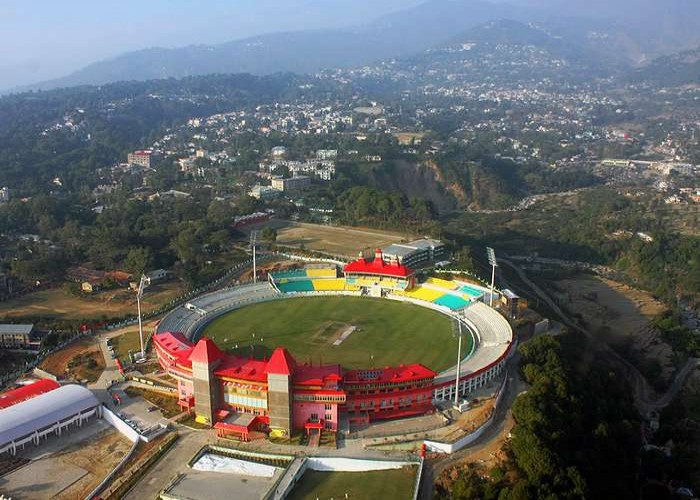
Kangra, located in the beautiful state of Himachal Pradesh, is known for its rich history, ancient temples, scenic landscapes and traditional hill culture. Surrounded by the foothills of the Dhauladhar mountain range, the region offers a wonderful mix of heritage, spirituality and natural beauty.
Whether you enjoy exploring historical monuments, visiting sacred temples or discovering peaceful mountain destinations, Kangra has something for different types of travellers. Its cultural traditions, local cuisine and famous Kangra miniature paintings also make it an interesting place to explore beyond the usual tourist attractions.
In this travel guide, we will explore Kangra’s history, popular places to visit, the best time to travel and useful tips to help you plan your trip.
Understanding Kangra Town and Kangra District
Kangra can refer to both Kangra town and the wider Kangra district. The town is a historic settlement known for Kangra Fort and Shri Bajreshwari Devi Temple, while the district covers a much larger area with destinations such as Dharamshala, Palampur and several important religious and natural attractions.
The region is particularly appealing to travellers who want to experience Himachal Pradesh’s history, religious traditions and landscapes in one trip.
A Brief History of Kangra
Kangra has a long and fascinating history associated with the Katoch dynasty, one of the historic royal lineages of the region. The area was historically known as Nagarkot, and its strategic location made it an important centre of power and defence.
Kangra Fort became one of the most significant landmarks of the region. Over the centuries, the fort witnessed battles, changing rulers and political struggles. It was eventually damaged extensively by the devastating earthquake of 1905.
Kangra is also famous for its traditional miniature paintings. Known as Kangra paintings, this artistic style is admired for its delicate lines, natural colours and expressive depictions of themes from Indian mythology and poetry.
Today, Kangra’s heritage remains visible in its historic monuments, temples, art and local traditions.
Top Places to Visit in Kangra, Himachal Pradesh
If you are planning a trip to Kangra, consider including these attractions in your itinerary. Some are located in Kangra town, while others are in the wider district and require additional travel.
#1. Kangra Fort
Kangra Fort is one of the most important historical attractions in Himachal Pradesh. Built by the Katoch rulers, this impressive fort stands above the surrounding valleys and offers views of the landscape below.
As you explore its gates, walls and remaining structures, you can get a sense of the region’s complex history. The fort suffered extensive damage during the 1905 earthquake, but its ruins continue to attract history lovers and photography enthusiasts.
Travel tip: Check current opening hours and entry fees before visiting, as visitor information may change.
#2. Shri Bajreshwari Devi Temple
Located in Kangra town, Shri Bajreshwari Devi Temple is an important religious destination dedicated to Goddess Bajreshwari, a form of Goddess Durga.
The temple attracts devotees throughout the year, especially during Navratri and other religious occasions. Its spiritual significance and connection with local traditions make it an essential stop for visitors interested in the religious heritage of Kangra.
Visitors should dress respectfully and follow the temple’s rules regarding photography and worship.
#3. Kangra Art Museum
Travellers interested in the art and culture of the region can look for opportunities to explore Kangra’s artistic heritage through local museums and collections.
The Kangra Art Museum in Dharamshala, in the wider Kangra district, is associated with the region’s traditional art, cultural objects and historical collections. It can be a useful addition to an itinerary focused on the heritage of Himachal Pradesh.
Check the museum’s current opening status and visiting arrangements before planning your visit.
#4. Chamunda Devi Temple
Chamunda Devi Temple is a well-known pilgrimage destination in Kangra district, set amid a scenic landscape near the Dhauladhar mountains.
Dedicated to Goddess Chamunda, the temple is visited by devotees seeking blessings and by travellers interested in the religious traditions of Himachal Pradesh. The surrounding scenery adds to the peaceful atmosphere of the temple complex.
If you are travelling during a festival or holiday, allow extra time for traffic and crowds.
#5. Palampur and the Kangra Tea Gardens
Palampur is famous for its tea gardens, mountain views and relaxed atmosphere. It is a good destination for visitors who want to experience a different side of Kangra beyond forts and temples.
The green tea estates, pleasant walking routes and views of the Dhauladhar range make the area attractive to nature lovers and photographers. Visitors can also learn more about Kangra tea and its importance to the local economy.
Consider spending additional time in Palampur if you enjoy scenic drives, quiet surroundings and exploring small hill towns.
#6. Kareri Lake
Kareri Lake is a mountain lake in the Dhauladhar region that attracts trekking enthusiasts and nature lovers. The journey involves mountain terrain, and the difficulty depends on the route, weather and the Traveller’s experience.
Unlike a roadside sightseeing attraction, Kareri Lake requires proper preparation. Check local trail conditions, weather forecasts and access information before setting out. If you are unfamiliar with mountain trekking, consider hiring a qualified local guide.
Avoid attempting the trek during unsafe weather or without suitable footwear, clothing and supplies.
#7. Indrahar Pass
Indrahar Pass is a high mountain pass in the Dhauladhar range and is known among experienced trekkers for its dramatic mountain scenery.
The trek requires physical fitness, appropriate equipment and careful planning. Weather conditions can change quickly in the mountains, so visitors should check current trail conditions and seek local guidance before travelling.
Indrahar Pass is better suited to prepared trekkers than to travellers looking for a simple day of sightseeing.
Culture and Traditions of Kangra
Kangra’s identity is closely connected with the traditions of Himachal Pradesh. Kangri is widely spoken in the region, alongside Hindi and other languages.
Local festivals, folk music, traditional clothing, handicrafts and regional food reflect the area’s cultural heritage. The region is also associated with Kangra miniature paintings, which have earned recognition for their distinctive artistic style.
Visitors can learn more about the local culture by exploring traditional markets, trying regional dishes and speaking respectfully with local residents.
Best Time to Visit Kangra
The best time to visit Kangra depends on the kind of experience you want. The lower areas and nearby hill destinations can have different weather conditions, so check the forecast for your specific itinerary.
Spring and early summer: These months can be suitable for sightseeing, temple visits and exploring the surrounding towns. Temperatures may rise in the lower areas.
Monsoon: The landscape becomes greener, but heavy rain can affect roads, visibility and trekking conditions. Keep your schedule flexible and check local weather advisories.
Autumn: This can be a good period for exploring historical attractions, temples and nearby destinations in more comfortable weather.
Winter: Kangra town and the surrounding hills experience cooler weather. Carry warm clothing, particularly if you plan to travel to higher elevations.
For trekking destinations such as Kareri Lake and Indrahar Pass, seasonal accessibility and safety should take priority over general sightseeing recommendations.
How to Reach Kangra
Kangra can be reached by air, rail and road. Your best option will depend on your starting city and the destinations you plan to visit.
By Air
Kangra Airport, also known as Gaggal Airport, is the nearest airport for many visitors travelling to Kangra town. Flight availability and schedules can change, so confirm connections before booking.
By Train
Kangra is served by the narrow-gauge railway line connecting Pathankot and Joginder Nagar. Pathankot is also an important rail connection for travellers arriving from other parts of India. Check current train schedules and onward transport options before your journey.
By Road
Kangra is connected by road to destinations such as Dharamshala, Palampur and other towns in Himachal Pradesh. Buses, taxis and private vehicles are common options for reaching the region.
Travel times depend on traffic, road conditions and the exact route. During the monsoon or winter, check local advisories before starting a long journey.
Useful Travel Tips for Kangra
Plan your route: Kangra town and the wider district cover many attractions, so avoid assuming that every destination is close to the town centre.
Check current information: Confirm temple timings, museum opening hours, entry fees and transport schedules before travelling.
Pack for the season: Carry comfortable walking shoes and suitable clothing for the weather.
Prepare for trekking: Mountain routes require appropriate equipment, fitness and up-to-date information about trail conditions.
Respect local customs: Follow the rules at religious sites and ask permission before photographing people.
Keep the surroundings clean: Avoid littering and help protect the region’s natural and cultural heritage.
FAQs.
Q1. What is Kangra famous for?
Kangra is known for its historic fort, Shri Bajreshwari Devi Temple, Kangra miniature paintings, cultural traditions and scenic surroundings near the Dhauladhar mountain range.
Q2. Is Kangra worth visiting?
Yes. Kangra is a worthwhile destination for travellers interested in history, religious heritage, local culture and nearby mountain landscapes. It can also be included in a larger Himachal Pradesh itinerary.
Q3. Which are the main places to visit in Kangra?
Popular places include Kangra Fort, Shri Bajreshwari Devi Temple and attractions across the wider district, such as Chamunda Devi Temple, Palampur and Kareri Lake. Travel time varies between destinations.
Q4. How can I reach Kangra?
You can reach Kangra by air through Gaggal Airport, by rail using the available railway connections, or by road from nearby towns and major cities. Confirm current schedules before travelling.
Q5. What is the best time to visit Kangra?
Spring, autumn and other periods with favourable local weather can be suitable for sightseeing. The best time depends on your plans, particularly if you intend to trek or visit higher elevations.