
Himachal Pradesh is one of India’s most popular mountain destinations, attracting travellers with its snow-covered peaks, green valleys, historic temples, Buddhist monasteries and vibrant local culture. Located in the western Himalayas, the state offers a remarkable variety of landscapes, from the forested hills around Shimla and Manali to the rugged mountains of Spiti and Lahaul.
What makes Himachal Pradesh special is the variety of experiences available in one region. Visitors can explore traditional villages, enjoy scenic mountain drives, try adventure sports, discover ancient heritage sites or simply spend time in the peaceful surroundings of the Himalayas.
Whether you are planning a family holiday, a trekking trip or a cultural journey, Himachal Pradesh has plenty to offer. Here are the main reasons why the state is famous for tourism.
#1. Beautiful Himalayan Landscapes and Hill Stations
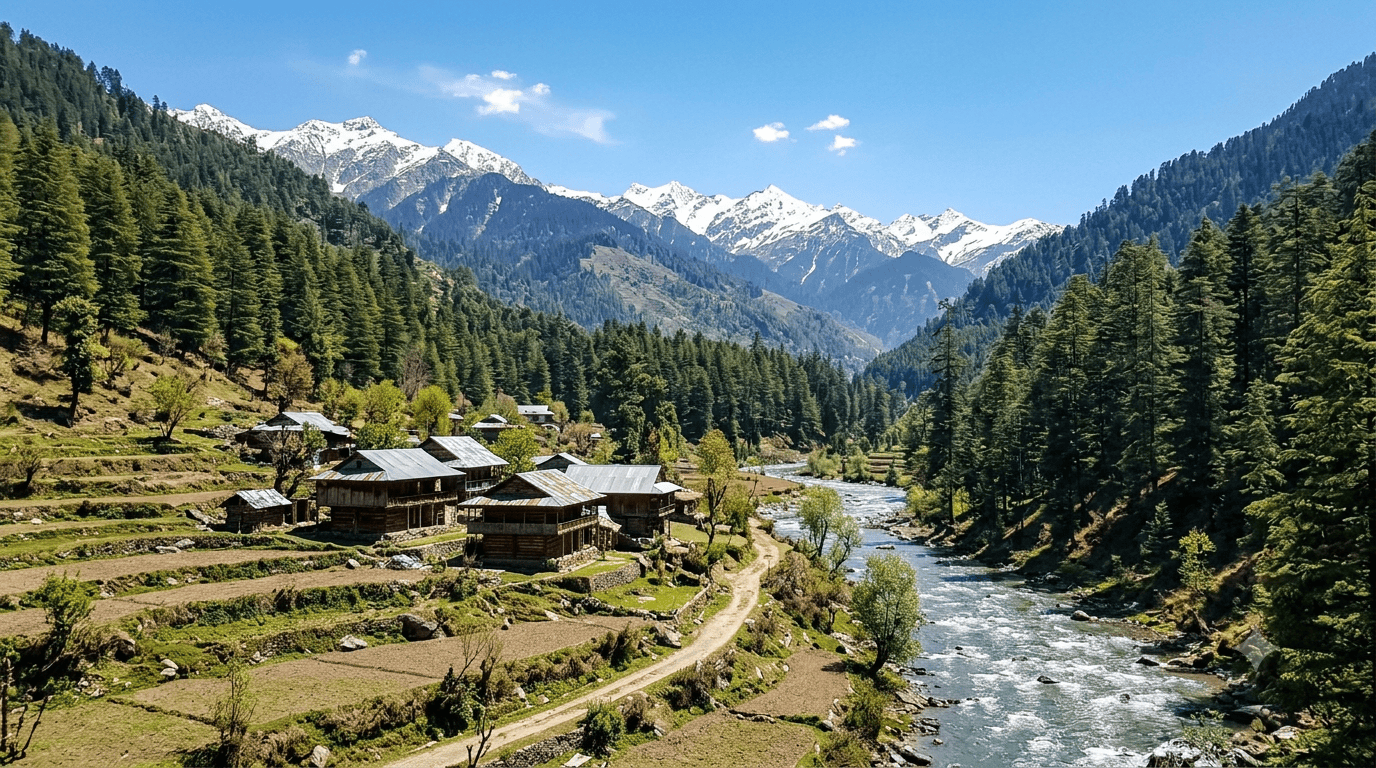
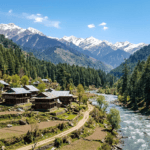
The natural beauty of Himachal Pradesh is one of its biggest attractions. Towering mountains, dense forests, flowing rivers, alpine meadows and peaceful valleys create spectacular scenery throughout the state.
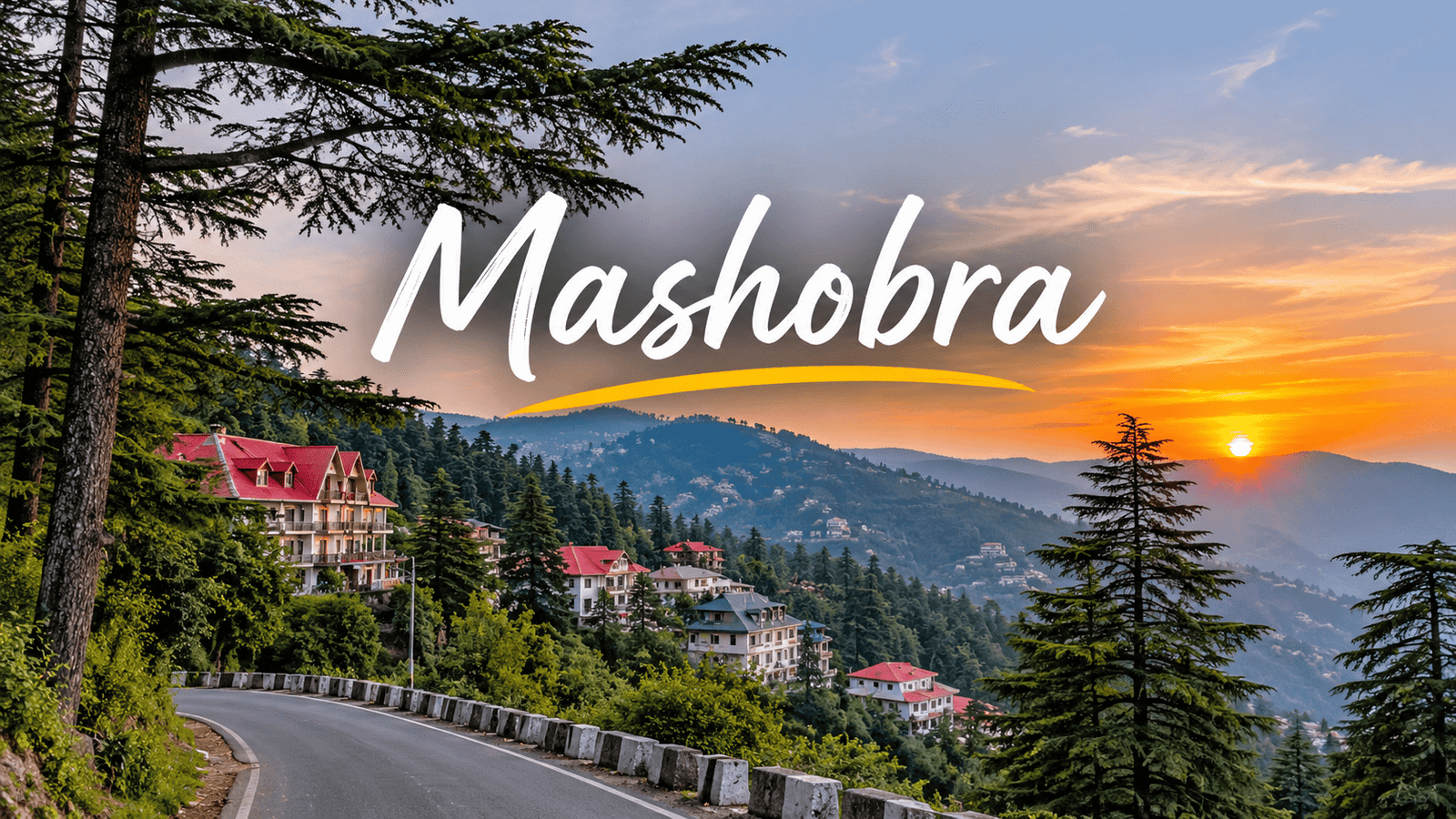
Popular destinations such as Shimla, Manali, Dalhousie and Kullu attract visitors looking for pleasant weather, mountain views and opportunities to explore nature. During winter, some higher-altitude destinations receive snowfall, while spring and summer bring greener landscapes and more comfortable conditions for outdoor activities.
The state also has a more rugged side. Kinnaur, Lahaul and Spiti are known for dramatic mountain scenery, remote villages, distinctive architecture and high-altitude landscapes. These regions offer a different experience from the busy hill stations and appeal to travellers interested in photography, road trips and local culture.
Forests of pine, cedar and deodar add to the region’s charm, while rivers such as the Beas, Sutlej, Ravi and Chenab flow through its valleys. This diversity makes Himachal Pradesh an attractive destination for nature lovers and people seeking a break from city life.
#2. Ancient Temples and Spiritual Heritage
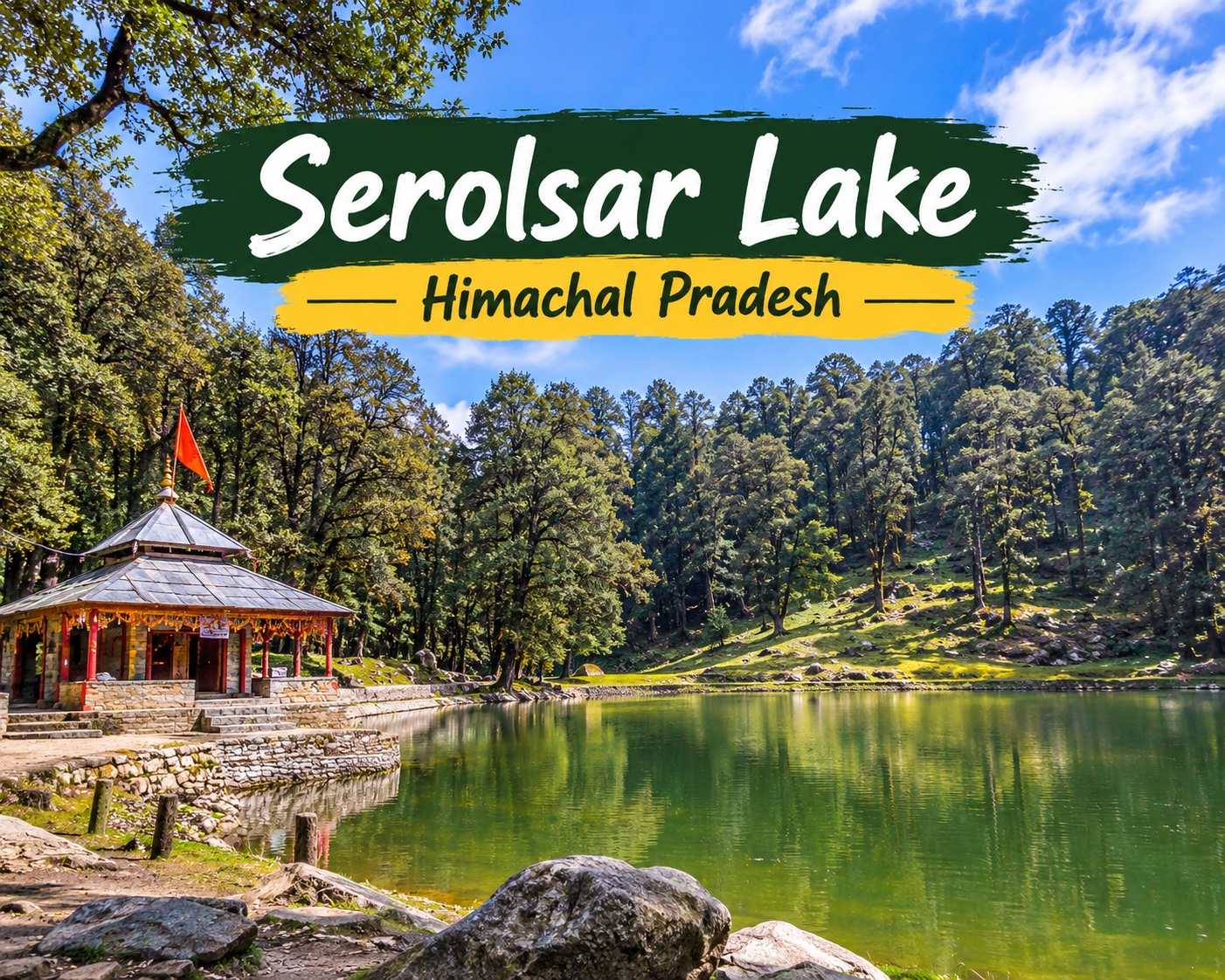
Himachal Pradesh has a rich religious history, with temples and pilgrimage sites that attract visitors throughout the year. Many of these places are associated with local traditions, historic architecture and stories passed down through generations.
Some well-known Temples Include:
Jwala Ji Temple: Located in Kangra district, this temple is famous for its naturally occurring flames and religious significance.
Chintpurni Temple: An important pilgrimage destination dedicated to Goddess Chinnamastika.
Naina Devi Temple: A prominent Shakti pilgrimage site in Bilaspur district.
Chamunda Devi Temple: A revered temple dedicated to Goddess Chamunda in the Kangra region.
Hidimba Devi Temple: A distinctive wooden temple in Manali, surrounded by cedar forests.
Baijnath Temple: A historic Shiva temple known for its traditional stone architecture.
Bhimakali Temple: Located in Sarahan, this temple is noted for its distinctive Himalayan architectural style.
Lakshmi Narayan Temple: A historic group of temples in Chamba, associated with the region’s religious and architectural heritage.
These temples are important not only for pilgrims but also for visitors interested in the history, craftsmanship and traditions of Himachal Pradesh.
When planning a visit, check local travel conditions and temple timings, particularly during major festivals and pilgrimage seasons.
#3. Buddhist Monasteries and Tibetan Culture
Himachal Pradesh is also known for its Buddhist heritage, especially in Dharamshala and the high-altitude regions of Lahaul and Spiti. Monasteries preserve religious traditions, ancient artwork and distinctive architectural styles while providing insight into the area’s cultural history.
Some notable monasteries include:
Key Monastery: One of the best-known monasteries in Spiti Valley, set on a hill overlooking the surrounding landscape.
Tabo Monastery: A historic Buddhist complex famous for its murals, sculptures and cultural significance.
Dhankar Monastery: A remarkable monastery overlooking the Spiti Valley, known for its dramatic setting.
Namgyal Monastery: An important Tibetan Buddhist centre in the McLeod Ganj area of Dharamshala.
Kardang Monastery: A historic monastery in Lahaul overlooking the Bhaga Valley.
Visiting these places allows travellers to learn about Buddhist traditions, observe traditional artwork and experience the quieter side of Himalayan life.
Because several monasteries are located at high altitudes, travellers should allow time to acclimatise and check road conditions before visiting remote areas.
#4. Adventure Sports and Outdoor Activities
The mountains and rivers of Himachal Pradesh provide opportunities for a wide range of outdoor activities. Depending on the location, season and weather, visitors can choose between gentle nature walks and more demanding adventures.
Popular activities include:
Trekking: Trails such as Triund, Hampta Pass and Bhrigu Lake attract hikers with their mountain scenery. Difficulty and seasonal access vary by route.
Paragliding: Bir Billing is a well-known destination for paragliding, offering views across the surrounding mountain landscape.
River rafting: Parts of the Beas River near Kullu provide opportunities for rafting when water conditions and authorised operations permit.
Skiing: Kufri, Narkanda and areas around Solang Valley are associated with winter sports, depending on snow conditions and facilities.
Camping: Designated camping areas offer opportunities to enjoy mountain scenery and spend time outdoors.
Mountain biking: Selected mountain roads and trails around Manali and other regions attract cycling enthusiasts.
Adventure activities should always be booked through reputable operators. Weather, snow conditions, river levels and local restrictions can affect availability, so check current conditions before travelling.
#5. Wildlife and National Parks
Beyond its hill stations, Himachal Pradesh has forests, alpine meadows and high-altitude habitats that support a wide range of wildlife and birdlife.
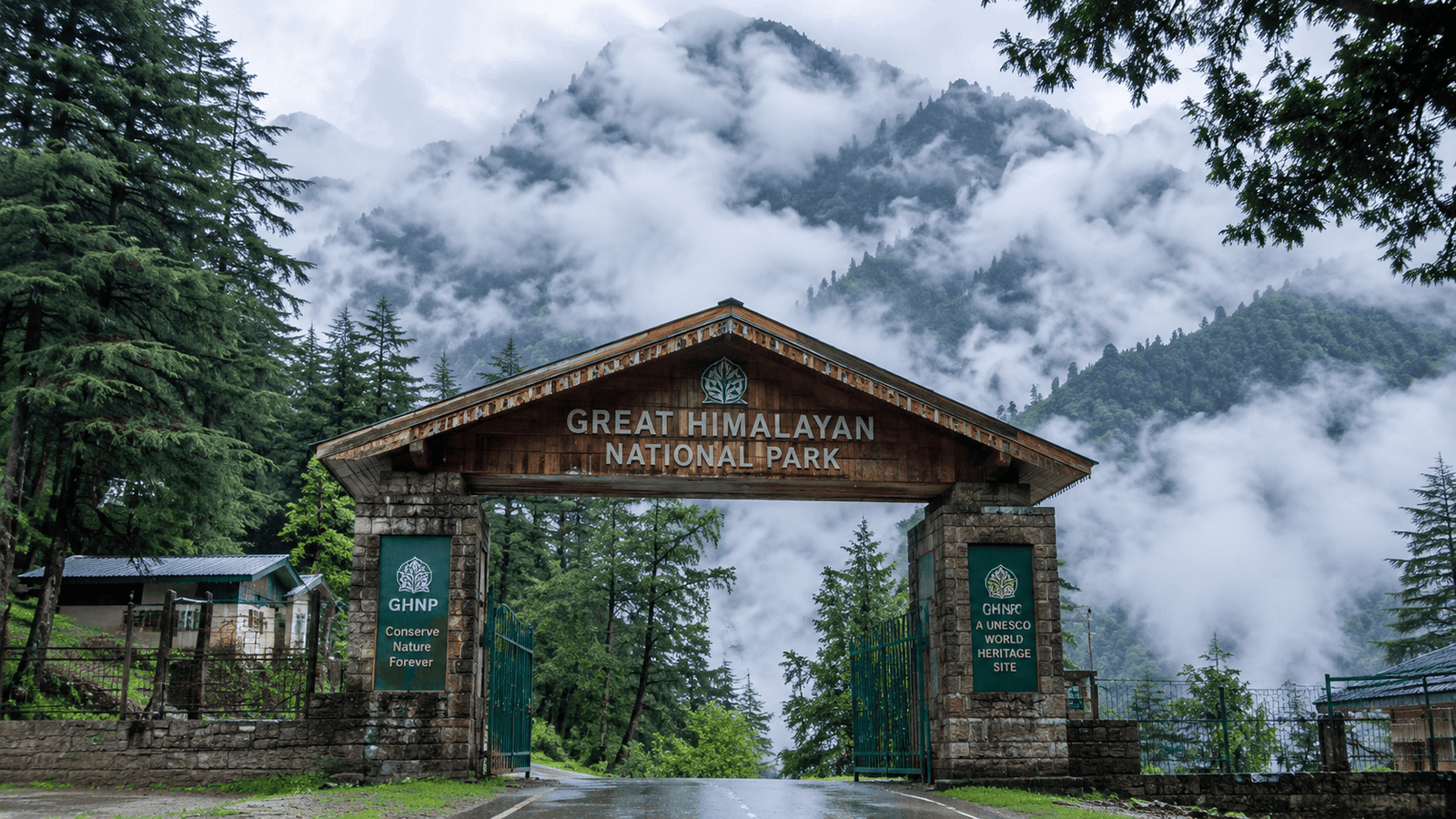
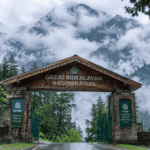
One of the state’s major natural attractions is the Great Himalayan National Park, a UNESCO World Heritage Site recognised for its Himalayan ecosystems and biodiversity. The wider region supports species such as Himalayan tahr, musk deer and blue sheep, although sightings are never guaranteed.
The state’s forests also provide opportunities for birdwatching, nature walks and learning about mountain ecosystems. Different elevations support different plant and animal communities, making the region particularly interesting for nature enthusiasts.
Visitors should follow protected-area rules, avoid disturbing wildlife and use authorised guides where required. Respecting these habitats helps protect the natural environment for future generations.
Read More: Wildlife in Himachal Pradesh
#6. Traditional Himachali Food and Local Hospitality
Food is another important part of the Himachal Pradesh travel experience. Traditional dishes reflect local ingredients, regional cooking styles and the customs of mountain communities.
Some popular dishes include:
Dham: A traditional festive meal served on special occasions and celebrations.
Siddu: A steamed wheat-flour bread commonly enjoyed with ghee or other accompaniments.
Madra: A rich, yoghurt-based dish often prepared with chickpeas or other ingredients.
Chha Gosht: A traditional meat preparation associated with Himachali cuisine.
Tudkiya Bhath: A regional rice dish prepared with ingredients such as lentils, potatoes and spices.
Recipes and serving traditions can vary between districts and households, giving travellers a chance to discover different regional flavours.
Homestays and village stays can also offer opportunities to experience local hospitality, learn about everyday life and explore destinations beyond the main tourist centres. Visitors should respect local customs and ask permission before photographing residents or private property.
#7. Festivals, Handicrafts and Local Traditions
Himachal Pradesh has a rich cultural heritage shaped by its mountain communities, regional traditions and religious celebrations. Festivals, fairs, folk music and traditional clothing remain important parts of local life.
Some notable celebrations include:
Kullu Dussehra: A major cultural and religious festival celebrated in the Kullu Valley.
Mandi Shivratri Fair: A prominent annual festival associated with Mandi and its temple traditions.
Lavi Fair: A historic trade fair held in Rampur Bushahr.
Kinnaur Kailash Yatra: A significant pilgrimage associated with the Kinnaur region, subject to official access arrangements and seasonal conditions.
The state is also known for its handicrafts, including woollen shawls, traditional caps, carpets and wooden carvings. These products reflect regional craftsmanship and skills passed down through generations.
Traditional architecture adds another dimension to the region’s cultural identity. Depending on the area, visitors may see timber-and-stone buildings, intricately carved wooden temples and structures adapted to the local climate and terrain.
Folk dances, including Nati in its various regional forms, and traditional music are also important parts of celebrations and community gatherings.
#8. Best Time to Visit Himachal Pradesh
The best time to visit Himachal Pradesh depends on what you want to experience and which areas you plan to explore.
Spring: A good period to enjoy changing landscapes, blooming flowers and outdoor sightseeing in many lower-altitude destinations.
Summer: Popular for hill-station holidays, family trips and escaping the heat of the plains.
Monsoon: The landscape becomes greener, but heavy rain can cause landslides, road closures and travel disruptions.
Winter: Suitable for travellers hoping to experience snow in destinations where snowfall occurs, although access and conditions can change quickly.
High-altitude destinations such as Spiti and parts of Lahaul have different weather and road-access patterns from Shimla and Manali. Always check current forecasts, road advisories and local travel guidance before setting out.
#9. Why Should You Visit Himachal Pradesh?
Himachal Pradesh offers much more than scenic mountain views. It brings together nature, history, spirituality, adventure, regional food and living cultural traditions.
Travellers can explore busy hill stations, visit ancient temples, learn about Tibetan Buddhist heritage, discover remote mountain villages or enjoy outdoor activities in spectacular surroundings. Each region has its own character, making it worthwhile to plan a trip around your interests rather than trying to cover everything in one visit.
For a more rewarding experience, allow enough time at each destination, respect local communities and travel responsibly. These simple choices can help you appreciate the state beyond its most photographed locations.
FAQs.
Q1. Why is Himachal Pradesh famous for tourism?
Himachal Pradesh is famous for its Himalayan landscapes, hill stations, temples, Buddhist monasteries, adventure activities, wildlife, traditional cuisine and cultural heritage.
Q2. Which are the most popular tourist destinations in Himachal Pradesh?
Shimla, Manali, Dalhousie, Dharamshala, Kullu, Kinnaur and Spiti are among the destinations travellers commonly consider. The right choice depends on the season, available time and preferred activities.
Q3. What adventure activities can visitors enjoy in Himachal Pradesh?
Visitors can explore trekking, paragliding, river rafting, skiing, camping and mountain biking at suitable locations and times of year. Availability depends on weather, safety requirements and local operating conditions.
Q4. Which temples are famous in Himachal Pradesh?
Jwala Ji Temple, Chintpurni Temple, Naina Devi Temple, Chamunda Devi Temple, Hidimba Devi Temple, Baijnath Temple and Bhimakali Temple are among the state’s well-known religious sites.
Q5. Which monasteries are worth visiting in Himachal Pradesh?
Key Monastery, Tabo Monastery, Dhankar Monastery, Namgyal Monastery and Kardang Monastery are notable sites associated with the state’s Buddhist heritage.
Q6. Is Himachal Pradesh suitable for wildlife tourism?
Yes. Its forests, national parks and high-altitude habitats support diverse Himalayan wildlife and birdlife. Visitors should follow local regulations and remember that wild animal sightings cannot be guaranteed.
Q7. What food should visitors try in Himachal Pradesh?
Dham, Siddu, Madra, Chha Gosht and Tudkiya Bhath are popular examples of Himachali cuisine. Regional preparations differ, so trying local specialities in different districts can be rewarding.
Q8. What is special about Himachal Pradesh’s culture?
The state is known for its regional festivals, folk music and dances, traditional clothing, handicrafts, wooden temples and diverse mountain communities.
Q9. When is the best time to visit Himachal Pradesh?
Summer is popular for many hill stations, winter attracts visitors seeking snowfall where available, and spring offers changing landscapes. Monsoon travel requires additional caution because of heavy rain and possible road disruptions.
Q10. What should first-time visitors know before travelling to Himachal Pradesh?
Plan according to the season, check road and weather updates, allow extra time for mountain journeys, carry suitable clothing and take precautions when visiting high-altitude areas. Book adventure activities through reputable operators and respect local customs and protected natural areas.